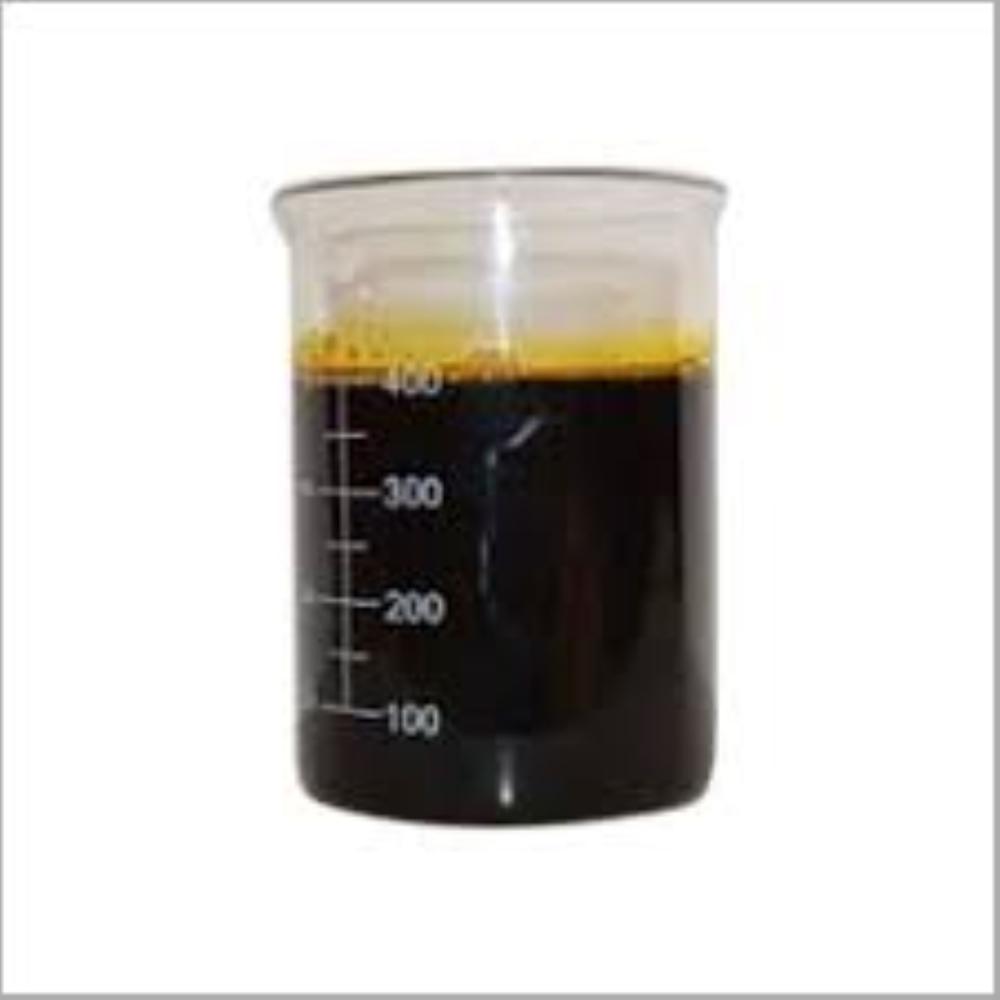
Plam Fatty
Plam Fatty
Plam Fatty
Plam Fatty

Plam Fatty

Price 80.0 INR/ Liter

MOQ : 1000 Liters

Plam Fatty Specification

  • Weight
  • 210 Liter (Ltr)
  • Color
  • Characteristic fatty odor
  • Oil Type
  • Acid Oil
  • Application
  • Oleochemical Industry
  • Packaging Type
  • Barrel
  • Smell
  • Light Smell
  • Use
  • Oleochemical Industry
  • Size
  • 1
  • Vehicle Type
  • Scooter, Motorcycle, Auto, Cars, Heavy Vehicle
  • Pack Type
  • Barrel / Bulk
 

Plam Fatty Trade Information

  • Minimum Order Quantity
  • 1000 Liters
  • Supply Ability
  • 500 Liters Per Month
  • Delivery Time
  • 7 Days
 

About Plam Fatty

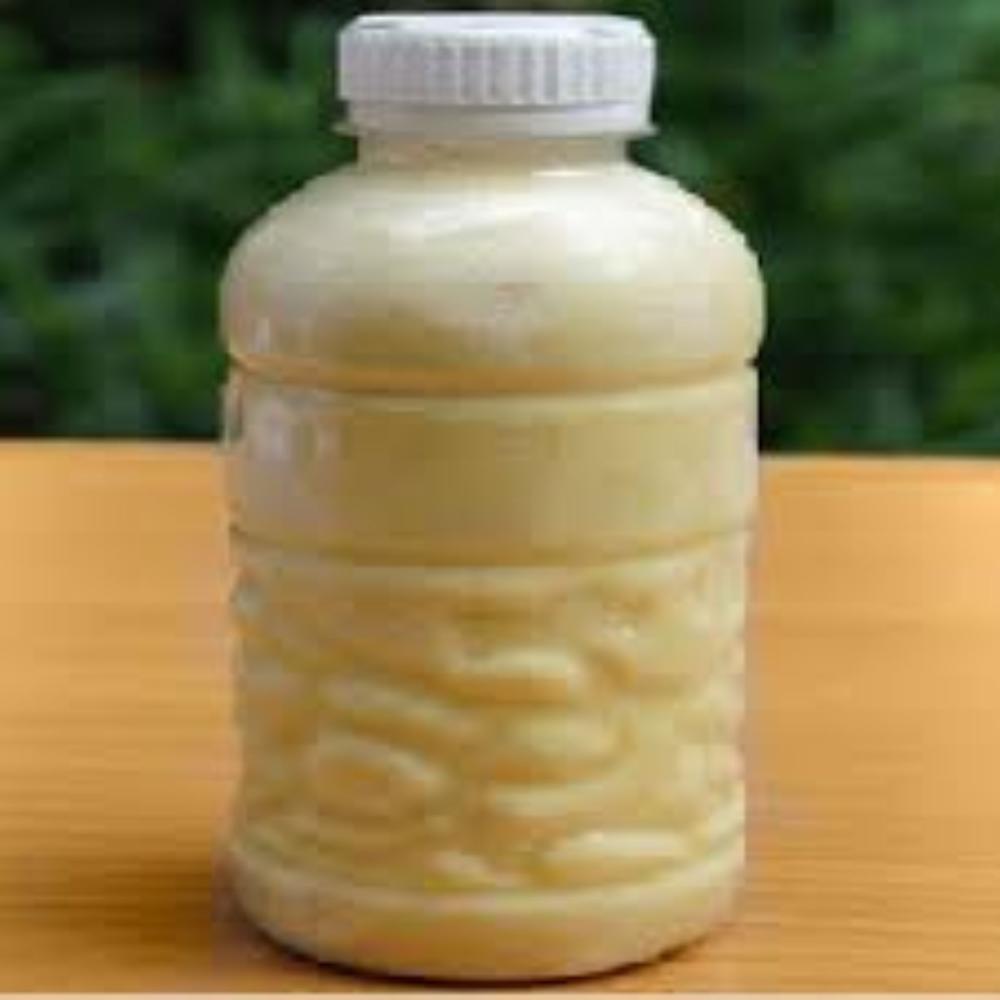
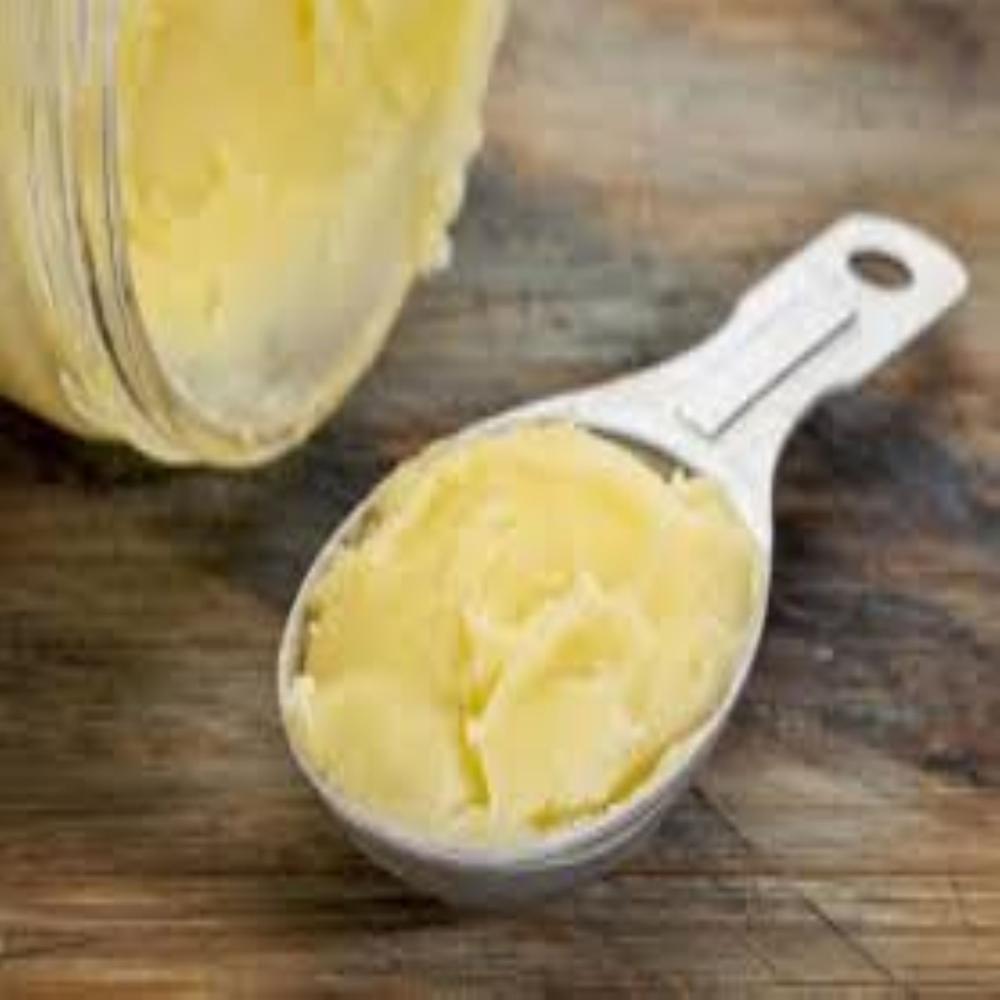
Palm Fatty refers to fatty acids derived from crude palm oil refining, most commonly known as Palm Fatty Acid Distillate (PFAD). It is a by-product obtained during the deodorization stage of palm oil processing.

It contains a mixture of:

  • Free fatty acids (main component)
  • Triglycerides (small amounts)
  • Unsaponifiable matter (sterols, tocopherols)
  • Minor impurities

Palm fatty is widely used in industrial, oleochemical, and animal feed applications due to its cost-effectiveness and high energy value.


Key Specifications (Typical)

Parameter Value Range
Free Fatty Acid (FFA) 70% 95%
Moisture & Impurities 1%
Iodine Value 50 60
Saponification Value 190 205
Melting Point 45C 55C
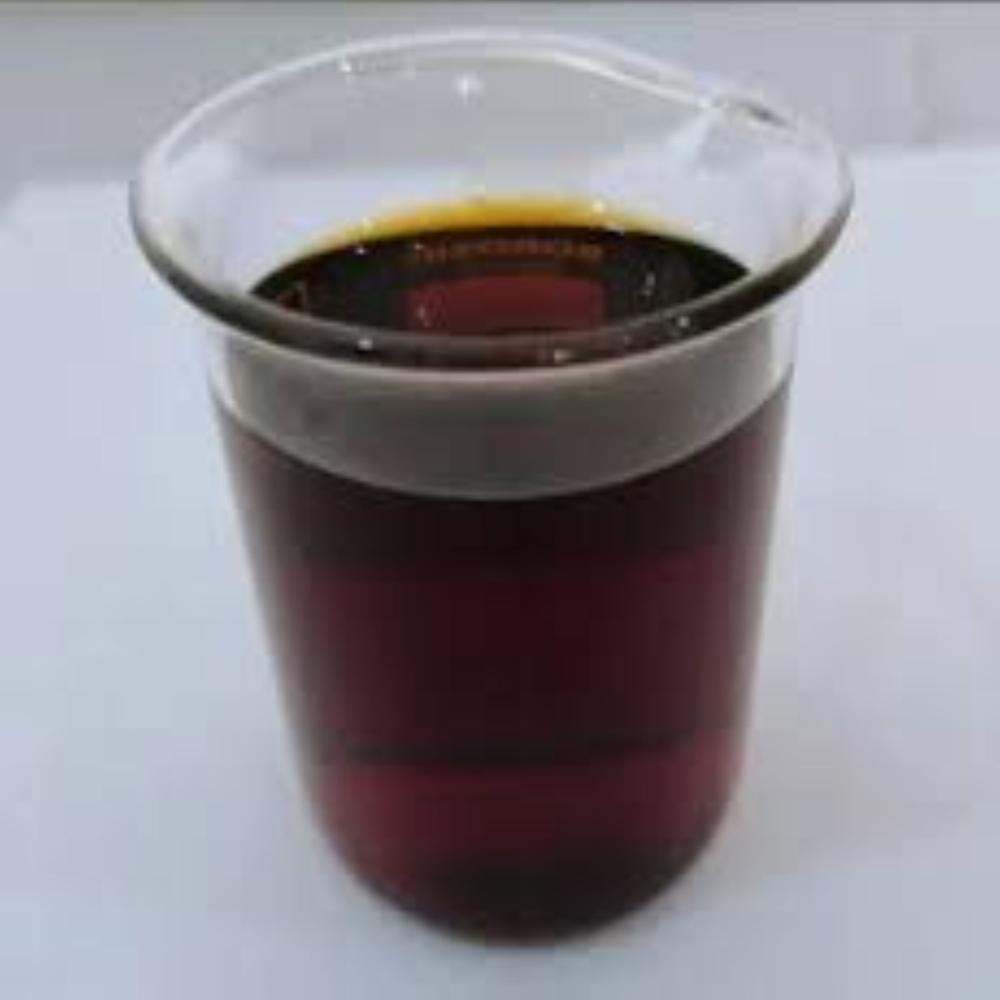
Color Brownish to dark yellow
Odor Characteristic fatty odor

Note: Specifications may vary depending on supplier and processing method.


Applications

1. Oleochemical Industry

  • Soap manufacturing
  • Fatty acid production
  • Detergents and surfactants

2. Animal Feed Industry

  • Used as energy-rich feed ingredient
  • Poultry, cattle, and aquaculture feed

3. Biodiesel Production

  • Raw material for fatty acid methyl esters (FAME)

4. Rubber & Plastic Industry

  • Processing aids
  • Lubricants and stabilizers

5. Candle & Wax Industry

  • Blended in candle formulations

6. Textile Industry

  • Used in lubricants and softeners

Functions

  • Energy Source Provides high calorific value in feed
  • Raw Material Base for fatty acids and chemical derivatives
  • Lubrication Improves processing in rubber/plastics
  • Binding Agent Helps in pellet formation in feed
  • Emulsifying Support Used in soap/detergent production

Benefits

Cost-Effective

  • Cheaper than refined vegetable oils

High Energy Content

  • Ideal for animal nutrition and fuel production

Sustainable

  • Utilizes by-product of palm oil refining (waste minimization)

Versatile

  • Used across multiple industries

Good Processing Aid

  • Improves texture, lubrication, and stability

Considerations

  • Quality varies widely must check FFA and impurities
  • Storage requires controlled temperature to avoid solidification
  • Oxidation risk if not handled properly


Reliable Solution for Oleochemical Industry

Plam Fatty stands out as a dependable acid oil utilized widely in the oleochemical sector. Its consistent quality and distinct fatty odor ensure excellent performance in various manufacturing processes. Packaged in robust barrels or bulk, it ensures easy storage and transport while meeting the rigorous demands of industrial applications.


Versatile Applications Across Vehicle Types

This acid oil is suitable for use in multiple vehicle types, including two-wheelers, cars, autos, and heavy vehicles. Its balanced formulation helps facilitate many manufacturing and processing tasks within the oleochemical industry, granting suppliers the flexibility to cater to diverse client requirements.

FAQ's of Plam Fatty:


Q: How is Plam Fatty typically used in the oleochemical industry?

A: Plam Fatty serves as a crucial component in oleochemical processes, particularly in the production and refinement of soaps, detergents, lubricants, and additives. Its unique fatty acid profile supports a range of industrial reactions and formulations.

Q: What distinguishes Plam Fatty from other acid oils?

A: Plam Fatty is characterized by its specific fatty odor, light smell, and suitability for a wide array of vehicle-related applications-making it a popular choice among manufacturers and traders in the industry.

Q: When should Plam Fatty be applied during the manufacturing process?

A: It is typically introduced during the initial stages of chemical processing when fatty acids or acid oils are required as raw materials, ensuring optimal results in the final product output.

Q: Where can Plam Fatty be sourced within India?

A: Plam Fatty is distributed, manufactured, and supplied by various reputable traders and suppliers across India. It is available in 210-liter barrels or in bulk quantities for large-scale industrial use.

Q: What is the packaging and storage recommendation for Plam Fatty?

A: To maintain product integrity, Plam Fatty is packaged in strong 210-liter barrels or supplied in bulk. Store it in a cool, dry area away from open flames or direct sunlight to ensure stability and longevity.

Q: How does Plam Fatty benefit users in the oleochemical industry?

A: Plam Fatty offers reliable performance, easy handling, and compatibility with numerous processes, allowing users to streamline their production operations and consistently achieve high-quality outputs.

Tell us about your requirement
product

Price:

Quantity
Select Unit

  • 50
  • 100
  • 200
  • 250
  • 500
  • 1000+
Additional detail
Mobile number

Email

More Products in Automotive Lubricating Oil Category

Coconut Acid Oil

Coconut Acid Oil

Price 80.0 INR / Kilograms

Minimum Order Quantity : 1000 Kilograms

Use : Industrial use

Size : 1

Application : Long shelf life, High quality, Moderate price, Soap making, Cosmetic use

Oil Type : Acid oil

Ace-tic Acid

Ace-tic Acid

Price 75.0 INR / Gallon

Minimum Order Quantity : 1000 Gallons

Use : Textile Industry

Size : 1

Application : Chemical Industry

Oil Type : Acid Oil

Sunflower Acid Oil

Sunflower Acid Oil

Price 80.0 INR / Liter

Minimum Order Quantity : 1000 Liters

Use : Soap & Detergent Manufacturing

Size : 1

Application : Animal Feed Industry

Oil Type : Acid Oil

Rice Brain Oil

Rice Brain Oil

Price 90.0 INR / Liter

Minimum Order Quantity : 1000 Liters

Use : Rice bran oil is an edible vegetable oil extracted from the outer layer (bran) of rice grains. It is widely used in countries like India, Japan, and China due to its mild flavor and high cooking stability. Key Specifications 1. Physical & Chemical Properties Appearance: Light golden/yellow oil Taste: Mild, slightly nutty Smoke Point: ~232 C (ideal for frying) Fat Composition: Saturated fat: ~25% Monounsaturated fat: ~38% Polyunsaturated fat: ~37% 2. Nutritional Profile (per tablespoon) Calories: ~120 kcal Fat: ~14 g Rich in Vitamin E (tocopherols & tocotrienols) 3. Bioactive Compounds Gammaoryzanol (unique antioxidant) Phytosterols (cholesterollowering) Tocotrienols & tocopherols (vitamin E compounds) Applications of Rice Bran Oil 1. Food & Cooking Industry Deep frying, saut ing, stirfrying Salad dressings, baking Used in processed foods due to stability Reason: High smoke point and neutral taste 2. Pharmaceutical Industry Used in formulations due to antioxidant and antiinflammatory compounds Supports drug delivery systems and nutraceutical products 3. Cosmetics & Personal Care Skin creams, lotions, hair oils Antiaging and moisturizing products 4. Animal Feed & Industrial Use Byproduct (rice bran) used in livestock feed Oil used in soaps and industrial lubricants Functions of Rice Bran Oil 1. Cooking Function Heatresistant cooking medium Enhances texture without overpowering flavor 2. Nutritional Function Provides healthy fats (unsaturated fats) Supplies antioxidants and vitamins 3. Functional Food Role Acts as a heartfriendly oil Supports metabolic health Benefits of Rice Bran Oil 1. Heart Health Helps reduce LDL (bad cholesterol) and increase HDL May lower risk of heart disease 2. Blood Sugar Control Improves insulin sensitivity Helps manage diabetes risk 3. Antiinflammatory & Antioxidant Contains oryzanol and tocotrienols Reduces oxidative stress and inflammation 4. Skin Health Improves skin elasticity and hydration Used in antiaging products 5. Immune Support Enhances immune response due to antioxidants 6. Oral Health Used in oil pulling to reduce bad breath 7. Weight & Metabolic Benefits Helps in managing body weight when used properly Supports fat metabolism Limitations / Precautions Should be used in moderation (high in calories) May lower blood pressure caution for hypotension Quality depends on refining process Summary Rice bran oil is a nutrientrich, versatile cooking oil known for: High smoke point Heartfriendly fats Powerful antioxidants It is widely used in food, pharmaceutical, and cosmetic industries, making it both a functional and healthpromoting oil. If you want, I can also convert this into notes, PPT, or assignment format

Size : 1

Application : Rice bran oil is an edible vegetable oil extracted from the outer layer (bran) of rice grains. It is widely used in countries like India, Japan, and China due to its mild flavor and high cooking stability. Key Specifications 1. Physical & Chemical Properties Appearance: Light golden/yellow oil Taste: Mild, slightly nutty Smoke Point: ~232 C (ideal for frying) Fat Composition: Saturated fat: ~25% Monounsaturated fat: ~38% Polyunsaturated fat: ~37% 2. Nutritional Profile (per tablespoon) Calories: ~120 kcal Fat: ~14 g Rich in Vitamin E (tocopherols & tocotrienols) 3. Bioactive Compounds Gammaoryzanol (unique antioxidant) Phytosterols (cholesterollowering) Tocotrienols & tocopherols (vitamin E compounds) Applications of Rice Bran Oil 1. Food & Cooking Industry Deep frying, saut ing, stirfrying Salad dressings, baking Used in processed foods due to stability Reason: High smoke point and neutral taste 2. Pharmaceutical Industry Used in formulations due to antioxidant and antiinflammatory compounds Supports drug delivery systems and nutraceutical products 3. Cosmetics & Personal Care Skin creams, lotions, hair oils Antiaging and moisturizing products 4. Animal Feed & Industrial Use Byproduct (rice bran) used in livestock feed Oil used in soaps and industrial lubricants Functions of Rice Bran Oil 1. Cooking Function Heatresistant cooking medium Enhances texture without overpowering flavor 2. Nutritional Function Provides healthy fats (unsaturated fats) Supplies antioxidants and vitamins 3. Functional Food Role Acts as a heartfriendly oil Supports metabolic health Benefits of Rice Bran Oil 1. Heart Health Helps reduce LDL (bad cholesterol) and increase HDL May lower risk of heart disease 2. Blood Sugar Control Improves insulin sensitivity Helps manage diabetes risk 3. Antiinflammatory & Antioxidant Contains oryzanol and tocotrienols Reduces oxidative stress and inflammation 4. Skin Health Improves skin elasticity and hydration Used in antiaging products 5. Immune Support Enhances immune response due to antioxidants 6. Oral Health Used in oil pulling to reduce bad breath 7. Weight & Metabolic Benefits Helps in managing body weight when used properly Supports fat metabolism Limitations / Precautions Should be used in moderation (high in calories) May lower blood pressure caution for hypotension Quality depends on refining process Summary Rice bran oil is a nutrientrich, versatile cooking oil known for: High smoke point Heartfriendly fats Powerful antioxidants It is widely used in food, pharmaceutical, and cosmetic industries, making it both a functional and healthpromoting oil. If you want, I can also convert this into notes, PPT, or assignment format

Oil Type : Acid oil


Back to top