Palm Fatty Acid About
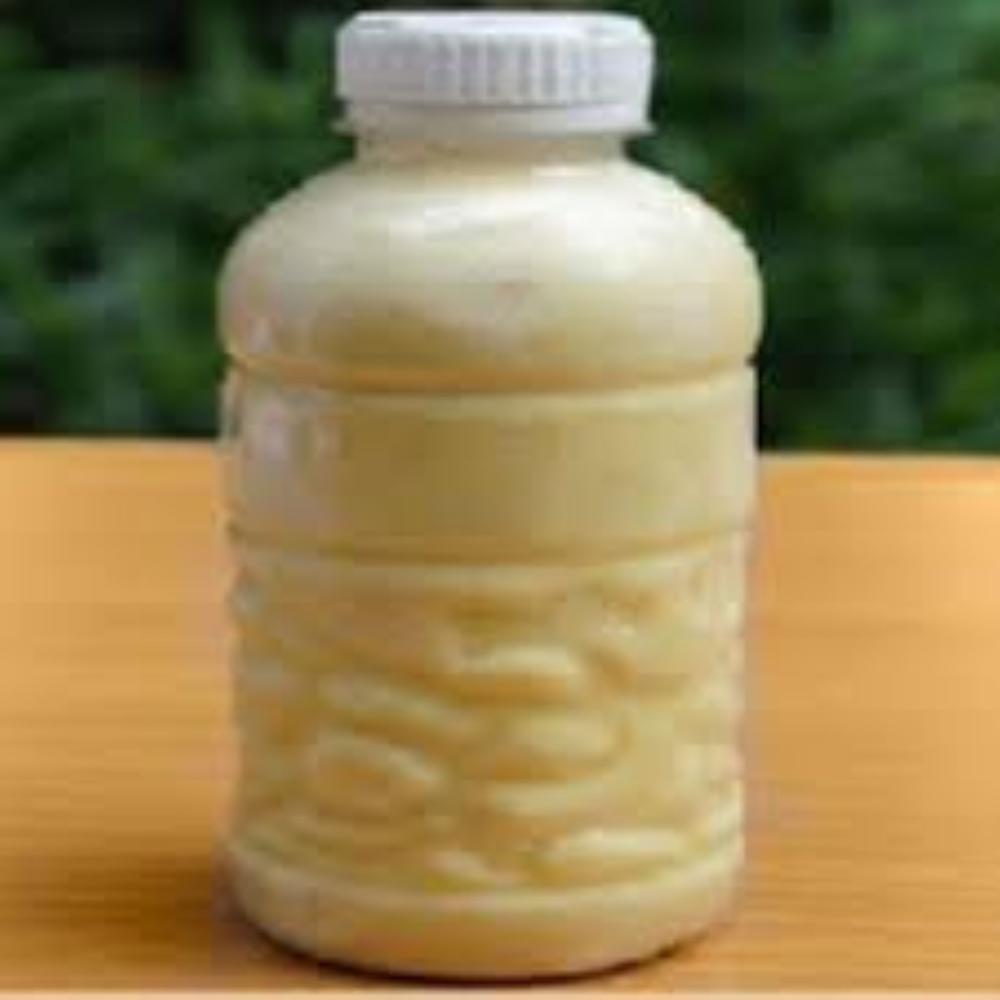
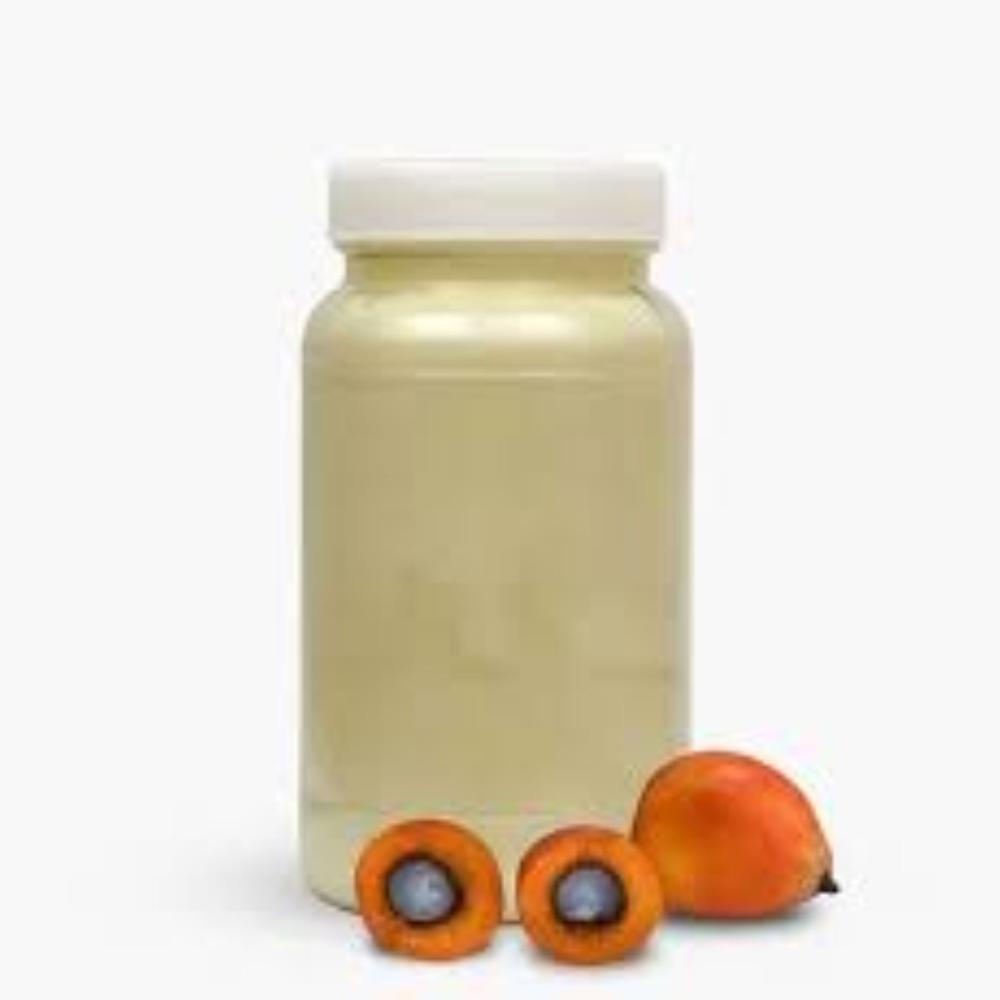
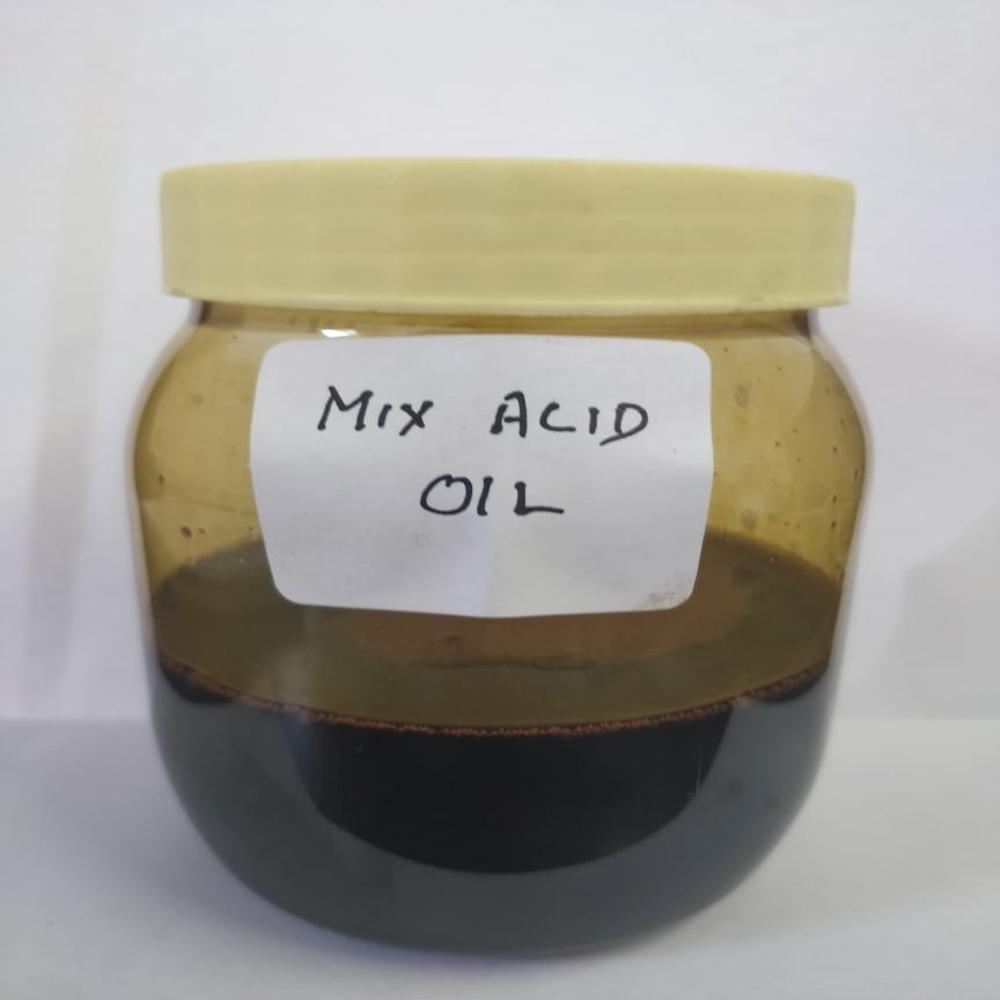
Palm Fatty Acid is a versatile fatty-acid-based raw material derived from palm oil and palm oil refining processes. It is generally composed of a mixture of saturated and unsaturated fatty acids, with palmitic and oleic acids being major components. Its balanced fatty-acid profile, good stability, and compatibility with various chemical processes make it an important industrial raw material. Palm Fatty Acid is widely used in the manufacturing of soaps, detergents, candles, lubricants, rubber chemicals, fatty acid esters, and other oleochemical products. The exact properties and composition can vary depending on the source, refining process, and grade.
Versatile Applications Across IndustriesPalm Fatty Acid finds utility as a key raw material in multiple sectors, including soap manufacturing, detergents, animal feed, lubricants, and the production of biodiesel and glycerine. Its rich chemical composition, primarily free fatty acids like palmitic and oleic acids, makes it especially effective for these uses. The high viscosity and melting point ensure reliable performance in both industrial and cosmetic formulations.
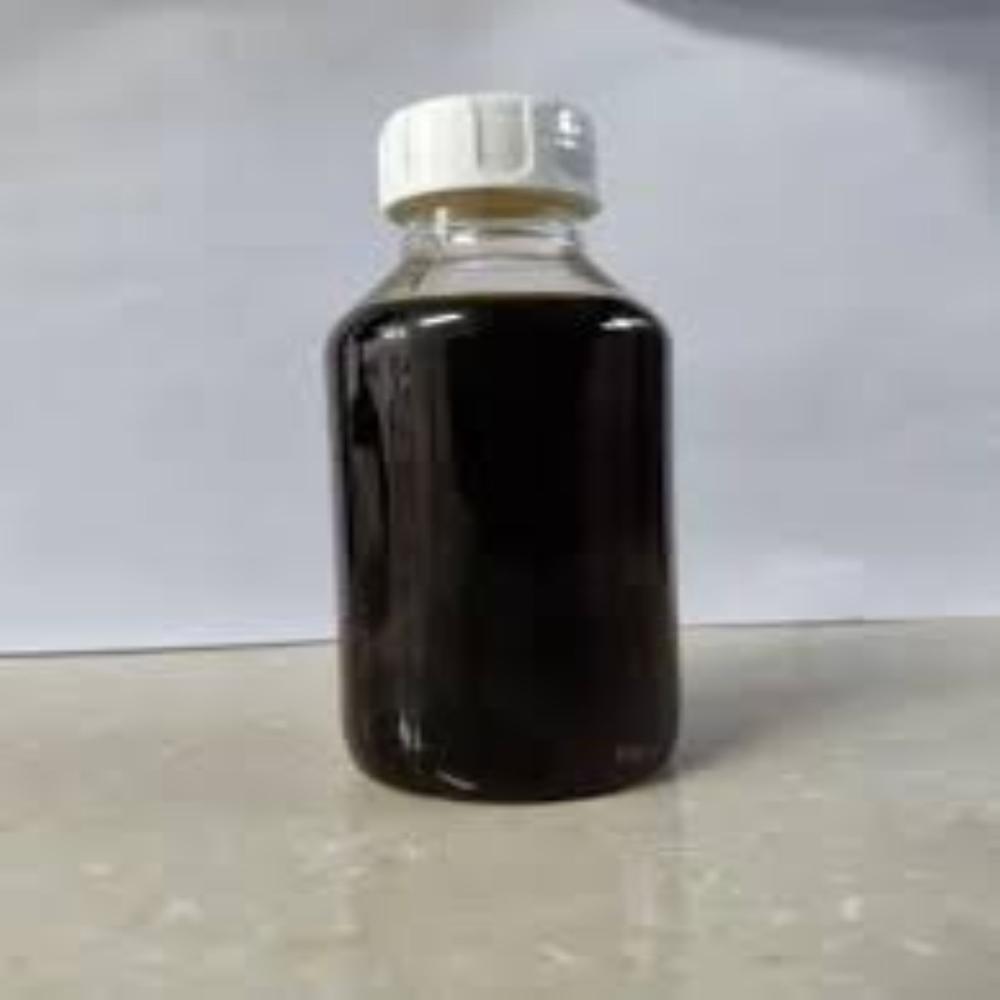
Safe Handling and Storage RecommendationsTo preserve the quality and extend the shelf life of Palm Fatty Acid, it should be stored in cool, dry environments away from direct sunlight, ideally under 40C. Available in various packaging options such as HDPE bottles, steel drums, and flexi-tanks, it is quick and convenient to handle and transport. Always ensure containers are sealed tightly to prevent moisture ingress and impurity accumulation.
FAQ's of Palm Fatty Acid:
Q: How should Palm Fatty Acid be stored to maintain its quality?
A: Palm Fatty Acid should be kept in a cool, dry place, away from sunlight and heat sources, ideally at temperatures below 40C. Properly sealed HDPE bottles, steel drums, or flexi-tanks help maintain its stability and maximize shelf life.
Q: What are the primary industrial applications of Palm Fatty Acid?
A: Palm Fatty Acid is predominantly used in the manufacture of soaps, detergents, animal feed, lubricants, biodiesel, and cosmetics due to its high free fatty acid content and effective saponification properties.
Q: When does the shelf life of Palm Fatty Acid expire, and what factors affect it?
A: Palm Fatty Acid typically has a shelf life of 1 to 2 years when stored in recommended conditions-cool, dry, and protected from light and moisture. Exposure to extreme temperatures, humidity, or contaminants may reduce its shelf life.
Q: Where can Palm Fatty Acid be sourced for bulk industrial use?
A: It is widely available from manufacturers, distributors, and suppliers who offer customizable packaging sizes, including plastic bottles, steel drums, or ISO and flexi-tanks for industrial needs.
Q: What is the refining or processing method for Palm Fatty Acid?
A: Palm Fatty Acid is extracted as a by-product during palm oil refining. Its production involves splitting and separating triglycerides, resulting in free fatty acid-rich material with minimal moisture and impurities.
Q: How does using Palm Fatty Acid benefit soap and detergent manufacturing?
A: Its high concentration of free fatty acids, particularly palmitic and oleic acids, provides excellent saponification capacity, yielding soaps and detergents with superior cleansing properties and stable consistency.
Q: What precautions should be taken when handling Palm Fatty Acid?
A: Wear appropriate protective gear to avoid prolonged skin contact. Ensure good ventilation during handling and keep away from sources of ignition, as with most fatty chemicals.




 Send Inquiry

 Send Inquiry