

Talk to us
08045475648
Talk to us
08045475648
Butyl Acetate (also known as n-butyl acetate) is a colorless, flammable organic solvent with a pleasant fruity odor, commonly associated with bananas or apples. It is an ester formed by the reaction of acetic acid and n-butanol. Due to its excellent solvency, moderate evaporation rate, and low toxicity relative to many industrial solvents, it is widely used in coatings, paints, inks, adhesives, and cleaning formulations.
It is especially valued in industries where smooth film formation, good flow, and controlled drying are essential. Its compatibility with a wide range of resins and polymers makes it a versatile ingredient in many chemical formulations.
| Property | Specification |
|---|---|
| Chemical Name | n-Butyl Acetate |
| Chemical Formula | CHO |
| Molecular Weight | 116.16 g/mol |
| Appearance | Clear, colorless liquid |
| Odor | Fruity, sweet |
| Boiling Point | 126 C |
| Density | 0.88 g/cm at 20C |
| Flash Point | 24 C |
| Solubility | Slightly soluble in water, miscible with organic solvents |
| Purity (Industrial Grade) | Typically 99% |


Price:
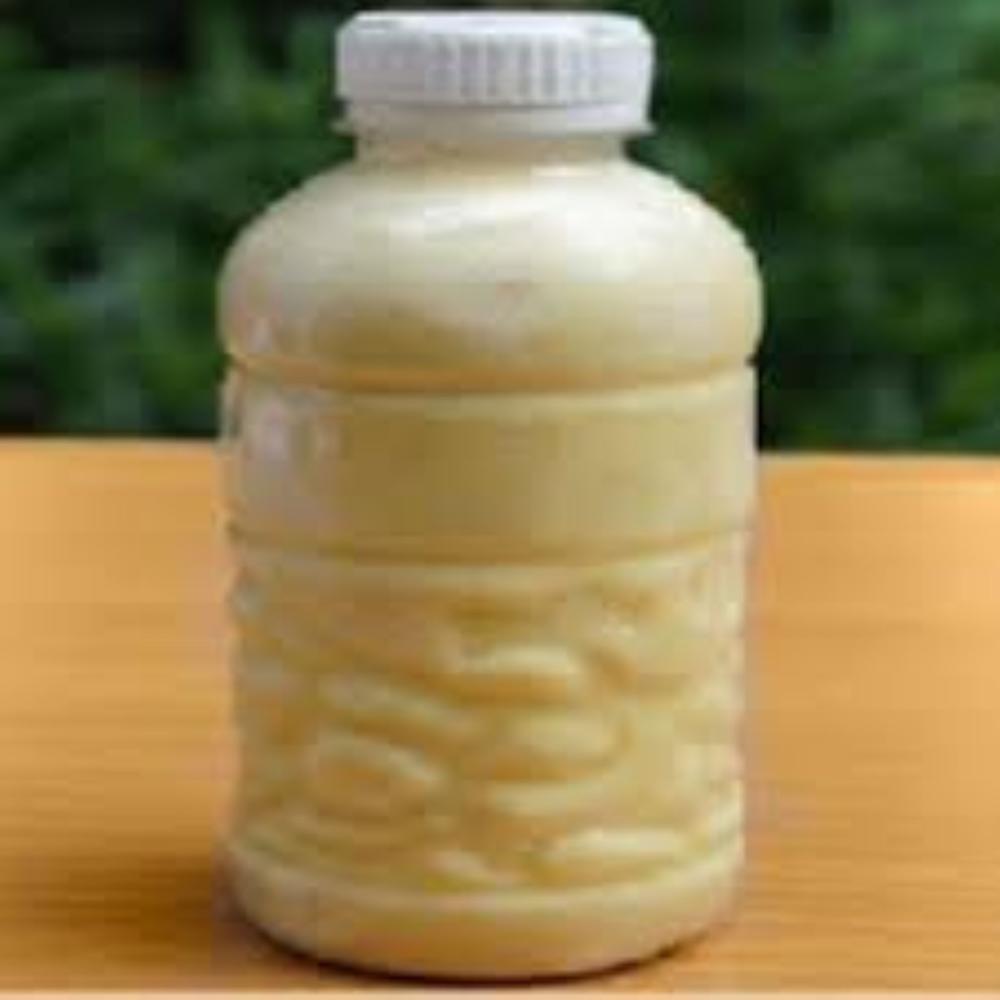
Price 80.0 INR / Liter
Minimum Order Quantity : 1000 Liters
Application : Used in soap making, detergents, animal feed, biodiesel production, and cosmetic industry
Use : Raw material for soap, lubricant, glycerine, and animal feed
Oil Type : Palm Fatty Acid Oil
Smell : Mild fatty odor
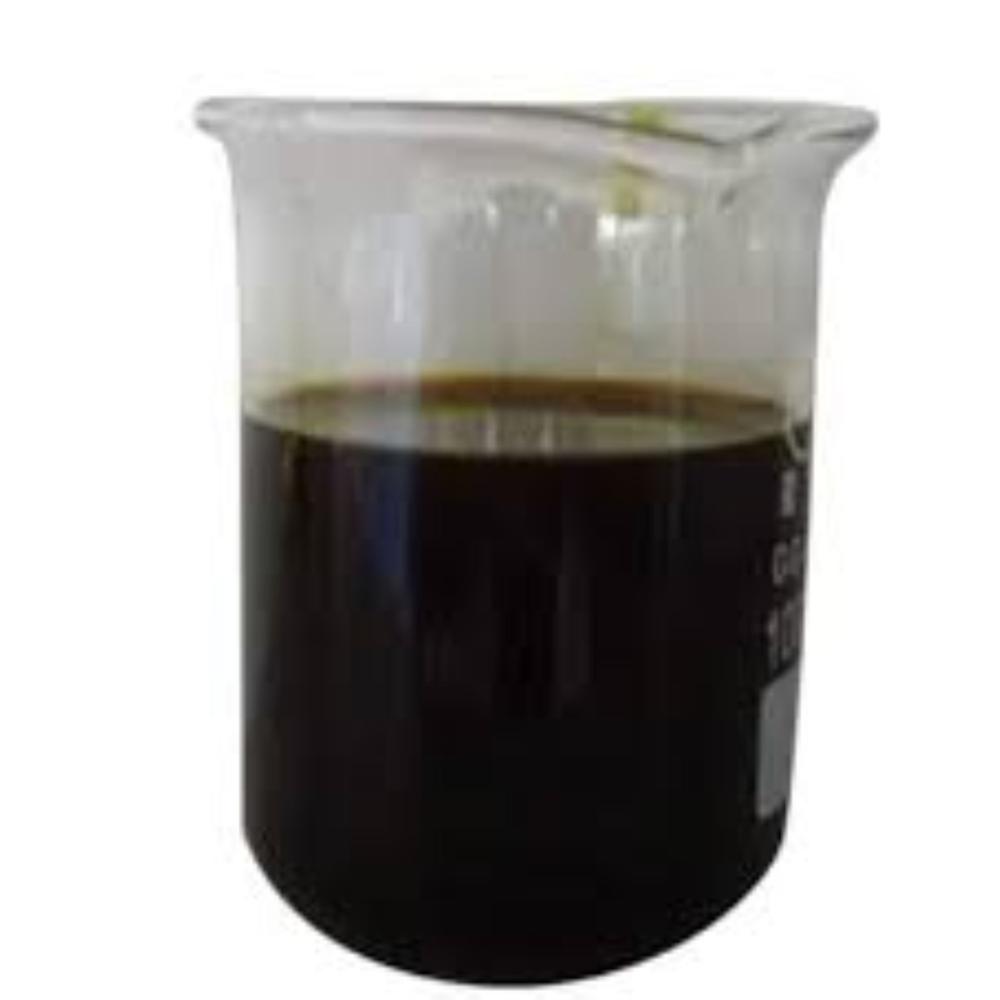
Price 80.0 INR / Liter
Minimum Order Quantity : 1000 Liters
Application : Soap & Detergent Industry
Use : Soap & Detergent Industry
Oil Type : Acid Oil
Smell : Non smell
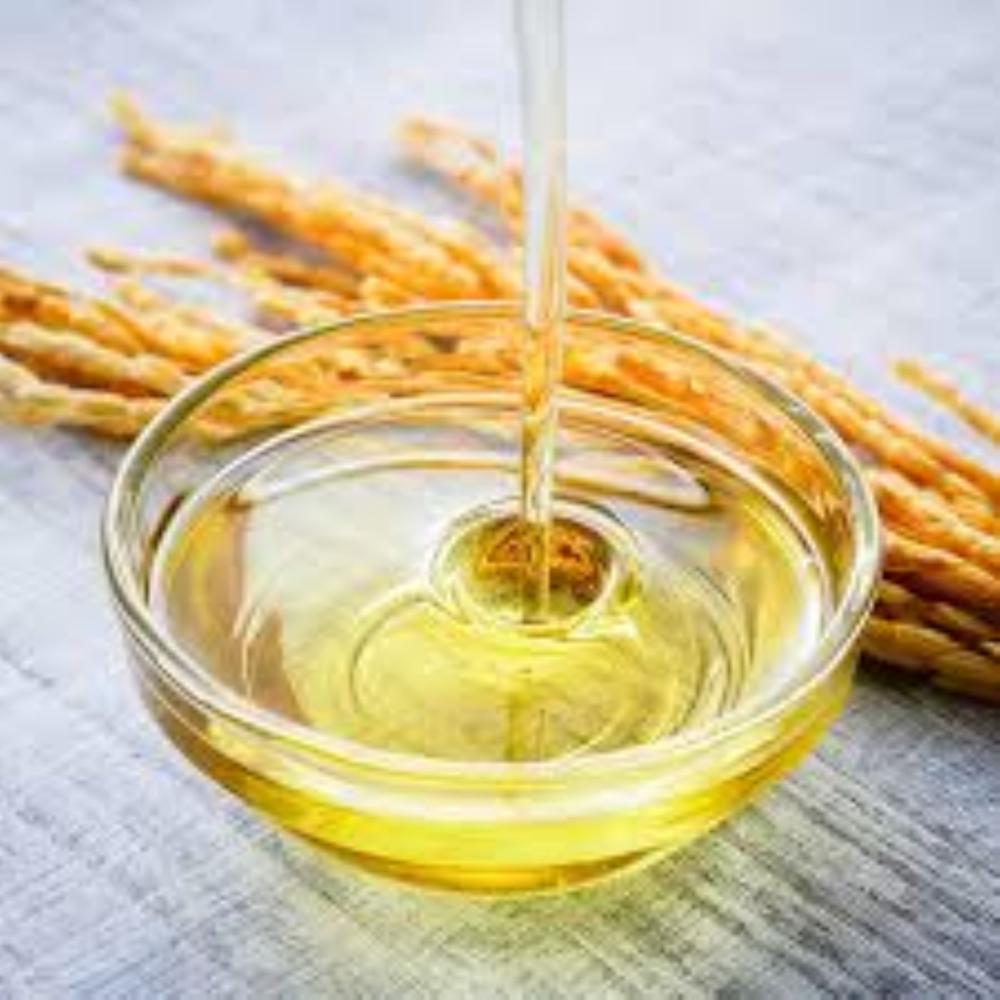
Price 90.0 INR / Liter
Minimum Order Quantity : 1000 Liters
Application : Rice bran oil is an edible vegetable oil extracted from the outer layer (bran) of rice grains. It is widely used in countries like India, Japan, and China due to its mild flavor and high cooking stability. Key Specifications 1. Physical & Chemical Properties Appearance: Light golden/yellow oil Taste: Mild, slightly nutty Smoke Point: ~232 C (ideal for frying) Fat Composition: Saturated fat: ~25% Monounsaturated fat: ~38% Polyunsaturated fat: ~37% 2. Nutritional Profile (per tablespoon) Calories: ~120 kcal Fat: ~14 g Rich in Vitamin E (tocopherols & tocotrienols) 3. Bioactive Compounds Gammaoryzanol (unique antioxidant) Phytosterols (cholesterollowering) Tocotrienols & tocopherols (vitamin E compounds) Applications of Rice Bran Oil 1. Food & Cooking Industry Deep frying, saut ing, stirfrying Salad dressings, baking Used in processed foods due to stability Reason: High smoke point and neutral taste 2. Pharmaceutical Industry Used in formulations due to antioxidant and antiinflammatory compounds Supports drug delivery systems and nutraceutical products 3. Cosmetics & Personal Care Skin creams, lotions, hair oils Antiaging and moisturizing products 4. Animal Feed & Industrial Use Byproduct (rice bran) used in livestock feed Oil used in soaps and industrial lubricants Functions of Rice Bran Oil 1. Cooking Function Heatresistant cooking medium Enhances texture without overpowering flavor 2. Nutritional Function Provides healthy fats (unsaturated fats) Supplies antioxidants and vitamins 3. Functional Food Role Acts as a heartfriendly oil Supports metabolic health Benefits of Rice Bran Oil 1. Heart Health Helps reduce LDL (bad cholesterol) and increase HDL May lower risk of heart disease 2. Blood Sugar Control Improves insulin sensitivity Helps manage diabetes risk 3. Antiinflammatory & Antioxidant Contains oryzanol and tocotrienols Reduces oxidative stress and inflammation 4. Skin Health Improves skin elasticity and hydration Used in antiaging products 5. Immune Support Enhances immune response due to antioxidants 6. Oral Health Used in oil pulling to reduce bad breath 7. Weight & Metabolic Benefits Helps in managing body weight when used properly Supports fat metabolism Limitations / Precautions Should be used in moderation (high in calories) May lower blood pressure caution for hypotension Quality depends on refining process Summary Rice bran oil is a nutrientrich, versatile cooking oil known for: High smoke point Heartfriendly fats Powerful antioxidants It is widely used in food, pharmaceutical, and cosmetic industries, making it both a functional and healthpromoting oil. If you want, I can also convert this into notes, PPT, or assignment format
Use : Rice bran oil is an edible vegetable oil extracted from the outer layer (bran) of rice grains. It is widely used in countries like India, Japan, and China due to its mild flavor and high cooking stability. Key Specifications 1. Physical & Chemical Properties Appearance: Light golden/yellow oil Taste: Mild, slightly nutty Smoke Point: ~232 C (ideal for frying) Fat Composition: Saturated fat: ~25% Monounsaturated fat: ~38% Polyunsaturated fat: ~37% 2. Nutritional Profile (per tablespoon) Calories: ~120 kcal Fat: ~14 g Rich in Vitamin E (tocopherols & tocotrienols) 3. Bioactive Compounds Gammaoryzanol (unique antioxidant) Phytosterols (cholesterollowering) Tocotrienols & tocopherols (vitamin E compounds) Applications of Rice Bran Oil 1. Food & Cooking Industry Deep frying, saut ing, stirfrying Salad dressings, baking Used in processed foods due to stability Reason: High smoke point and neutral taste 2. Pharmaceutical Industry Used in formulations due to antioxidant and antiinflammatory compounds Supports drug delivery systems and nutraceutical products 3. Cosmetics & Personal Care Skin creams, lotions, hair oils Antiaging and moisturizing products 4. Animal Feed & Industrial Use Byproduct (rice bran) used in livestock feed Oil used in soaps and industrial lubricants Functions of Rice Bran Oil 1. Cooking Function Heatresistant cooking medium Enhances texture without overpowering flavor 2. Nutritional Function Provides healthy fats (unsaturated fats) Supplies antioxidants and vitamins 3. Functional Food Role Acts as a heartfriendly oil Supports metabolic health Benefits of Rice Bran Oil 1. Heart Health Helps reduce LDL (bad cholesterol) and increase HDL May lower risk of heart disease 2. Blood Sugar Control Improves insulin sensitivity Helps manage diabetes risk 3. Antiinflammatory & Antioxidant Contains oryzanol and tocotrienols Reduces oxidative stress and inflammation 4. Skin Health Improves skin elasticity and hydration Used in antiaging products 5. Immune Support Enhances immune response due to antioxidants 6. Oral Health Used in oil pulling to reduce bad breath 7. Weight & Metabolic Benefits Helps in managing body weight when used properly Supports fat metabolism Limitations / Precautions Should be used in moderation (high in calories) May lower blood pressure caution for hypotension Quality depends on refining process Summary Rice bran oil is a nutrientrich, versatile cooking oil known for: High smoke point Heartfriendly fats Powerful antioxidants It is widely used in food, pharmaceutical, and cosmetic industries, making it both a functional and healthpromoting oil. If you want, I can also convert this into notes, PPT, or assignment format
Oil Type : Acid oil
Smell : Light smell

Price 90.0 INR / Unit
Minimum Order Quantity : 700 Units
Application : Solvent Applications
Use : Agrochemicals & Specialty Fluids
Oil Type : Solvent
Smell : Non smell

 Send Inquiry


 Send Inquiry
