Soya Acid Oil About
Soya Acid Oil (SAO) is a by-product obtained during the refining of crude soybean oil. It is produced mainly during the alkali refining (neutralization) process, where free fatty acids (FFA) are separated from crude oil.
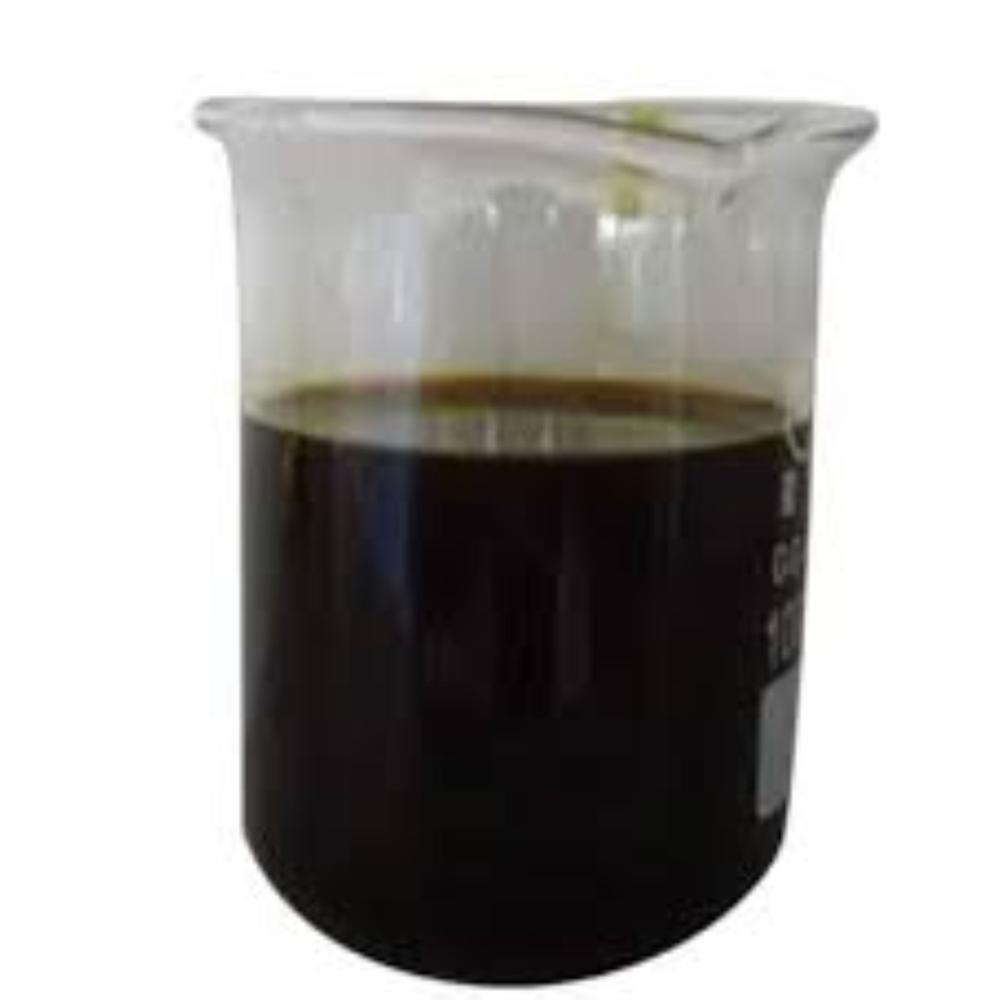
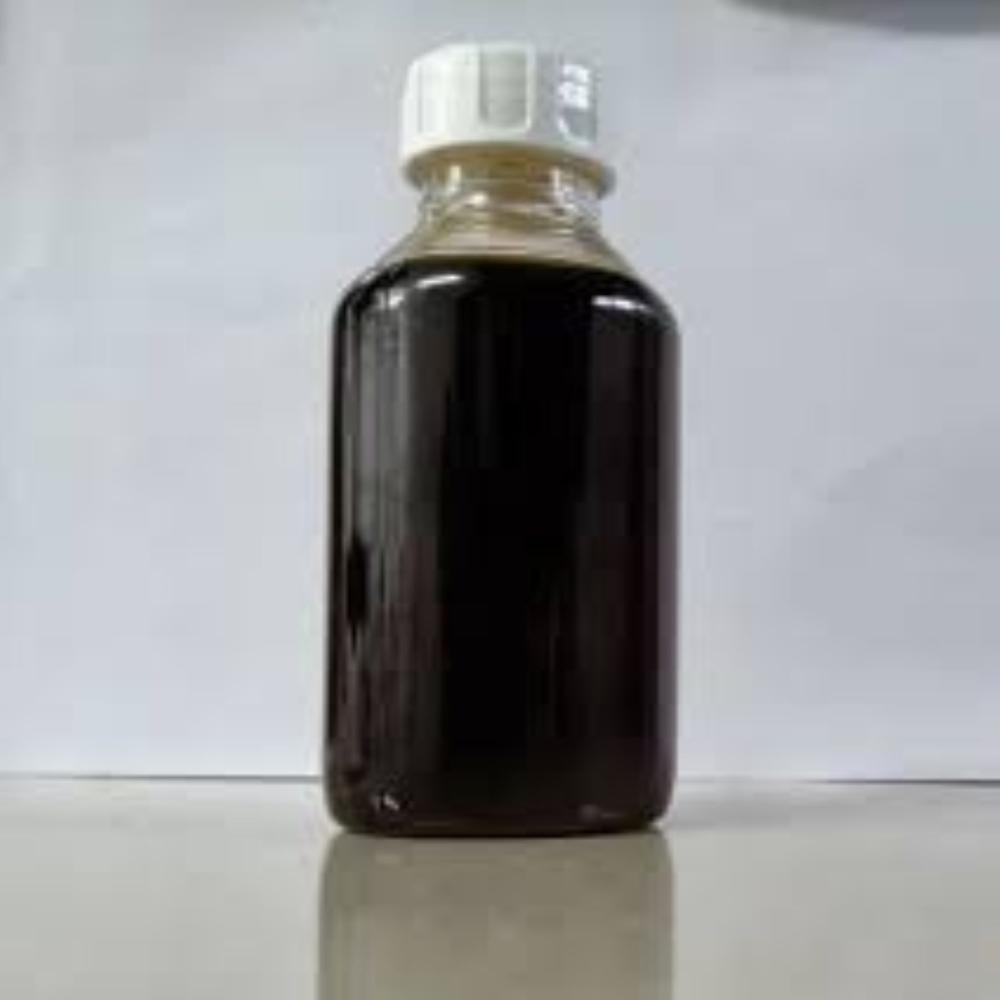
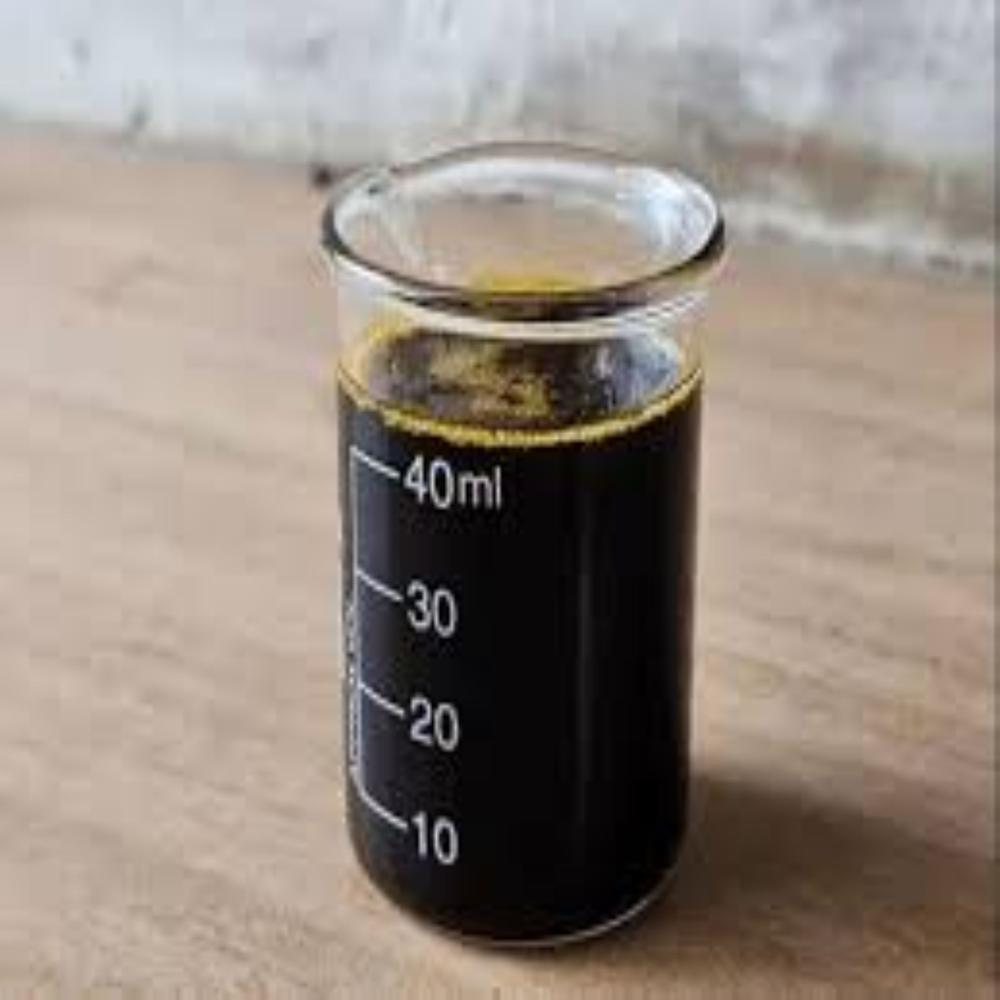
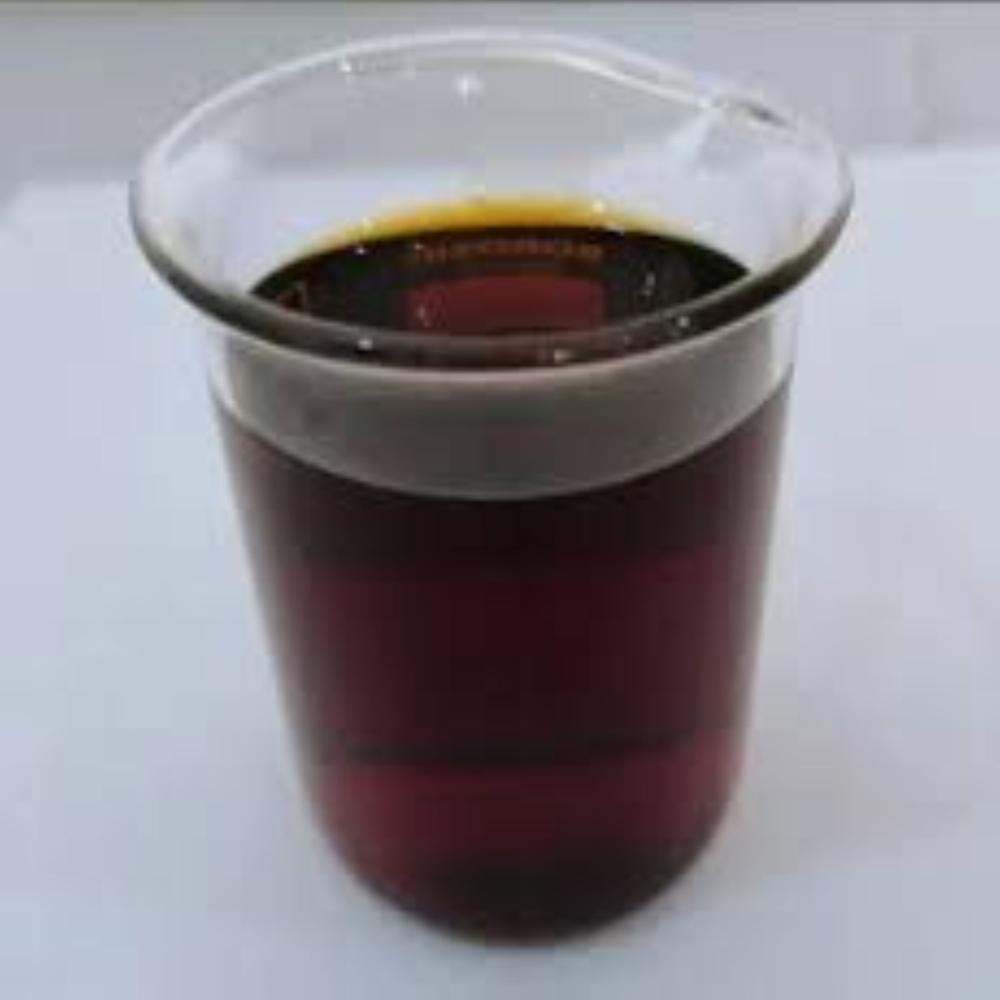
It typically appears as a dark brown, viscous liquid with a strong odor and contains a mixture of:
- Free fatty acids
- Neutral oil (triglycerides)
- Phospholipids
- Unsaponifiable matter
SAO is widely used in animal feed, soap manufacturing, oleochemicals, and biodiesel production due to its high fatty acid content.
2. Key Specifications (Typical Range)
| Parameter |
Specification |
| Appearance |
Dark brown liquid |
| Odor |
Characteristic, pungent |
| Free Fatty Acid (FFA) |
50% 85% |
| Moisture & Impurities |
3% |
| Total Fatty Matter (TFM) |
90% 98% |
| Unsaponifiable Matter |
3% |
| Iodine Value |
110 130 |
| Saponification Value |
180 200 |
| Density |
0.90 0.95 g/cm |
(Note: Values may vary based on refining process and supplier.)
3. Applications
a. Animal Feed Industry
- Used as an energy-rich feed additive
- Common in poultry and cattle feed formulations
b. Soap & Detergent Industry
- Raw material for low-cost soap manufacturing
- Used in laundry soaps and industrial cleaning bars
c. Biodiesel Production
- Acts as a feedstock for biodiesel
- Cost-effective alternative to refined oils
d. Oleochemical Industry
- Used for manufacturing:
- Fatty acids
- Glycerin
- Lubricants
e. Rubber & Paint Industry
- Used as a processing oil and binder
4. Functions
- Energy Source: Provides high calorific value in feed
- Emulsifier: Helps in blending ingredients
- Binding Agent: Improves texture in feed and industrial products
- Fat Source: Supplies essential fatty acids
- Chemical Intermediate: Base material for further chemical processing
5. Benefits
Economic Benefits
- Low-cost alternative to refined oils
- Reduces production costs in multiple industries
Nutritional Benefits (Feed Use)
- Enhances energy density of feed
- Improves weight gain in livestock
Industrial Benefits
- Versatile raw material
- Supports sustainable use of by-products
Environmental Benefits
- Promotes waste utilization from oil refining
- Useful in renewable fuel (biodiesel)
6. Storage & Handling
- Store in cool, dry conditions
- Avoid exposure to direct sunlight
- Use mild steel or HDPE tanks
- Heat may be required for easy pumping in cold climates
High-Quality Ingredient for Soap and DetergentsSoya Acid Oil is widely recognized as an essential raw material in soap and detergent manufacturing. With its optimal fatty acid profile and non-offensive odor, it enhances the cleansing properties and texture of finished goods, ensuring effective performance even in large-scale production.
Reliable Supply Across IndiaSourced from trusted distributors, manufacturers, and suppliers, Soya Acid Oil is readily available throughout India. Packaged conveniently in barrels or bulk formats, it caters to the varying needs of industrial clients, ensuring consistent quality and timely delivery for business operations.
FAQ's of Soya Acid Oil:
Q: How is Soya Acid Oil used in the soap and detergent industry?
A: Soya Acid Oil is primarily used as a cost-effective substitute for higher-priced oils in soap and detergent manufacturing. Its fatty acid content improves the cleaning efficiency and overall texture of soaps and detergents during the saponification process.
Q: What benefits does non-smelling Soya Acid Oil offer over other types?
A: Non-smelling Soya Acid Oil ensures no undesirable odor is introduced during production, resulting in soaps and detergents with a cleaner, more appealing scent profile suitable for both domestic and industrial applications.
Q: Where can I source Soya Acid Oil in India?
A: You can obtain Soya Acid Oil from various distributors, manufacturers, suppliers, and traders throughout India, with products typically available in barrel or bulk packaging to suit different industrial requirements.
Q: What is the typical packaging type for Soya Acid Oil?
A: Soya Acid Oil is usually supplied in robust barrels or sold in bulk, providing safe and convenient handling for transport, storage, and industrial usage.
Q: When is the best time to use Soya Acid Oil in the manufacturing process?
A: It is recommended to introduce Soya Acid Oil during the initial stages of the saponification process when formulating soaps and detergents, to maximize its performance and incorporate its fatty acids effectively.
Q: What is the process of incorporating Soya Acid Oil in detergents?
A: Soya Acid Oil is blended with alkalis and other active agents. Through controlled heating and mixing, it reacts to form the soap base while imparting beneficial properties such as improved lather and cleaning efficacy.
Q: Can Soya Acid Oil be used for products made for all vehicle types?
A: Yes, Soya Acid Oil can be used in auxiliary industrial products related to scooters, motorcycles, autos, cars, and heavy vehicles, often as a component in cleaners and lubricants for vehicle maintenance.




 Send Inquiry

 Send Inquiry