Slop Oil About
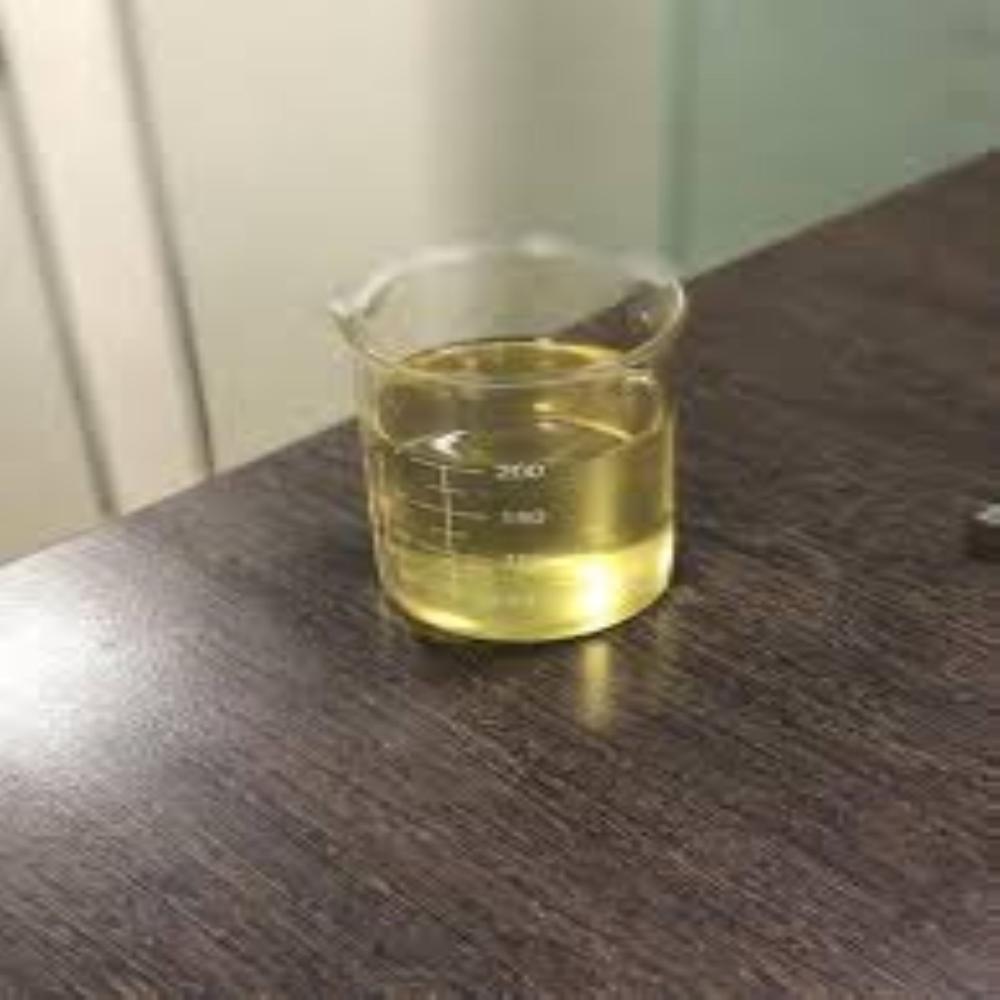
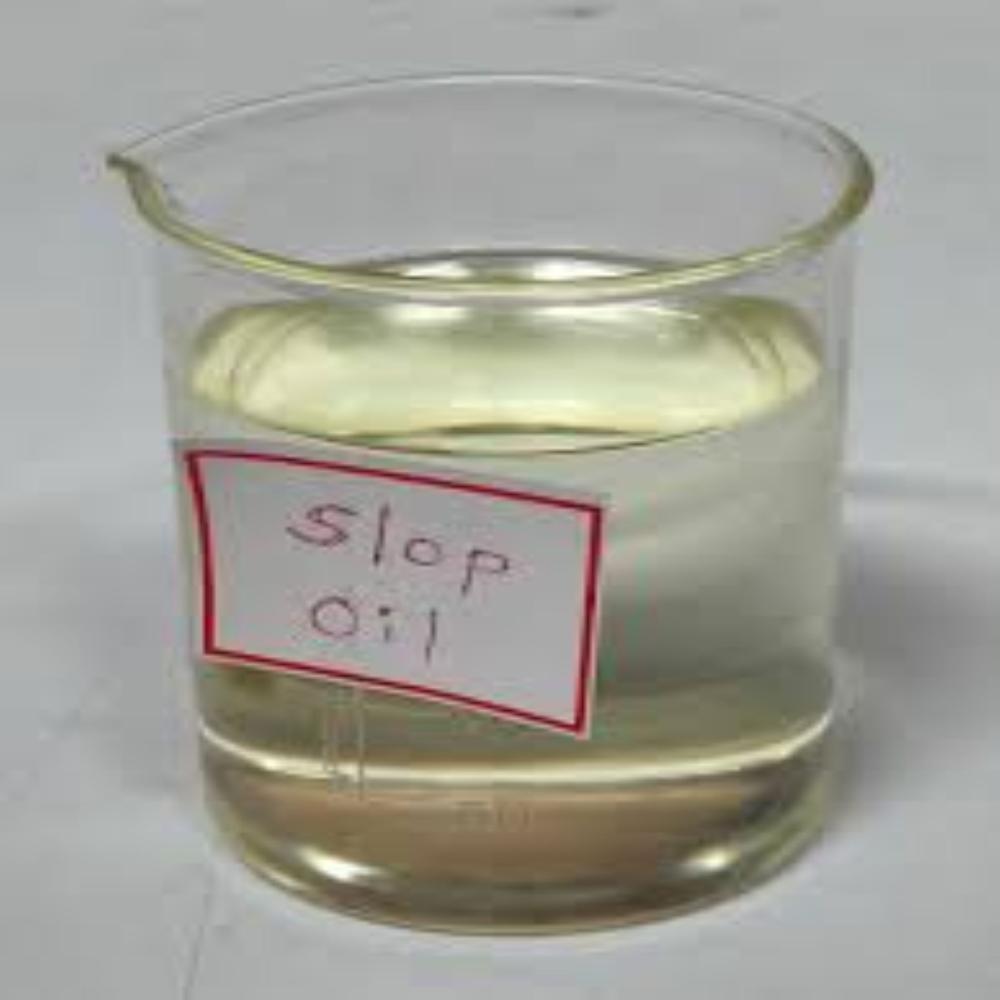
Slop oil is a complex mixture of hydrocarbons (oil), water, and solid contaminants generated during petroleum refining, storage, and transportation processes. It typically accumulates in oilwater separators, storage tank bottoms, lagoons, and wastewater systems.
This material is often considered a waste or off-spec product stream because it does not meet refinery product standards. However, it still contains valuable hydrocarbons that can be recovered and reused through treatment processes.
Slop oil is also referred to as:
- Oily sludge
- Rag layer
- Waste oil residue
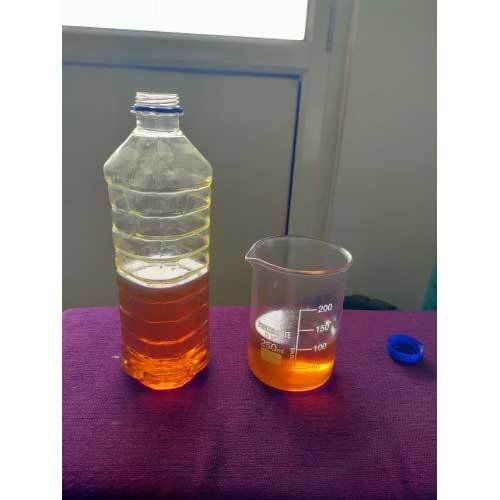
It is an emulsified system, meaning oil, water, and solids are tightly mixed, making separation and processing technically challenging.
Key Specifications (Typical Properties)
| Property |
Typical Range |
| Composition |
Oil + Water + Solids |
| Oil Content |
10% 90% |
| Water Content |
10% 90% |
| Solids Content |
5% 20% |
| Viscosity |
Up to 1000 cSt (highly variable) |
| Density |
Variable (depends on composition) |
| Phase Type |
Emulsion (often multi-phase) |
| Oil Purity after Treatment |
13% water, <1000 ppm solids |
Note: Properties vary significantly depending on source (tank cleaning, refinery sludge, separators, etc.).
Applications of Slop Oil
After proper treatment and recovery, slop oil can be used in several industrial applications:
1. Fuel Applications
- Used as industrial fuel in boilers and furnaces
- Substitute for low-grade fuel oil
2. Refinery Reprocessing
- Recycled back into crude oil feedstock
- Used for blending with other petroleum products
3. Asphalt & Construction
- Used in bitumen/asphalt production
4. Chemical Industry
- Source of hydrocarbons and solvents
5. Energy Recovery
- Solid fraction used for energy generation
6. Waste Recycling
- Reprocessed to recover oil and reduce waste volume
Functions of Slop Oil (in Industry Context)
Although considered waste, slop oil serves important industrial roles:
1. Resource Recovery Medium
- Acts as a source of recoverable hydrocarbons
2. Intermediate Holding Stream
- Stores off-spec or contaminated oil before reprocessing
3. Waste Management Stream
- Collects residues from:
- Tank cleaning
- Pipelines
- Oil separators
4. Feedstock for Treatment Systems
- Input material for:
- Centrifugation
- Chemical treatment
- De-emulsification
Benefits of Slop Oil Recovery & Utilization
1. Resource Conservation
- Recovers usable oil reduces crude oil demand
2. Cost Savings
- Reduces disposal and landfill costs
- Generates additional revenue from recovered oil
3. Environmental Protection
- Prevents soil and water contamination
- Reduces hazardous waste volume
4. Recycling & Circular Economy
- Converts waste into reusable products
5. Energy Efficiency
- Provides alternative fuel source
6. Reduced Carbon Emissions
- Less need for fresh oil extraction and disposal methods
Summary
Slop oil is not just wasteit is a valuable secondary resource in the oil & gas industry. With proper treatment technologies like centrifugation, chemical demulsification, and separation, it can be converted into:
- Reusable oil
- Clean water
- Energy-rich solids
Versatile Industrial ApplicationsSlop Oil is engineered for robust industrial demands, particularly in fuel applications, thanks to its ideal purity and dual-component adhesive classification. Its adaptability to different surfaces and compatibility with spray methods offer unmatched convenience and efficiency.
Efficient Liquid Coating TechnologyAs a liquid coating, this product ensures consistent coverage and strong adhesion on diverse materials. Its slightly water-soluble nature aids in easy application, making it a reliable solution for industrial processes requiring durable and lasting bonds.
FAQ's of Slop Oil:
Q: What is Slop Oil typically used for in industrial settings?
A: Slop Oil serves primarily as a fuel additive and liquid coating, functioning as a double-component adhesive. Its main applications include acting as a PVC solvent and providing strong, lasting bonds in fuel and coating operations.
Q: How is Slop Oil applied in industrial processes?
A: Slop Oil can be applied using a spray method, ensuring even and controlled distribution on desired surfaces. This makes it suitable for large-scale industrial usage, enhancing coverage and efficiency during application.
Q: When is the ideal time to use Slop Oil in a manufacturing process?
A: Slop Oil is best used during the bonding or coating stages, particularly when strong adhesion and fuel compatibility are required. Its properties are optimized for application after surface preparation but before final assembly or use.
Q: Where can Slop Oil be sourced for industrial use in India?
A: Slop Oil is available through reputable distributors, manufacturers, suppliers, and traders throughout India. It is widely supplied to industries specializing in adhesives, coatings, and fuel-based applications.
Q: What is the process involved in using Slop Oil as a double-component adhesive?
A: Typically, Slop Oil is sprayed onto clean industrial surfaces as one component in a dual-adhesive system. It interacts with its companion adhesive, ensuring a robust bond for various substrates, especially those exposed to fuel or chemical environments.
Q: What are the main benefits of using Slop Oil in fuel applications?
A: The primary benefits of Slop Oil include improved fuel efficiency, durable coatings, and enhanced adhesion on PVC and related materials. Its high purity and liquid physical state facilitate smooth application and long-lasting results for industrial requirements.




 Send Inquiry

 Send Inquiry