Diethylene Glycol (DEG) About
Diethylene Glycol (chemical formula CHO) is a member of the glycol family, produced as a by-product in the hydrolysis of ethylene oxide during the manufacturing of monoethylene glycol (MEG). It has a higher boiling point and lower volatility than MEG, making it especially useful in applications requiring stable, high-temperature performance.
DEG is completely miscible with water and many organic solvents, and its hygroscopic nature (ability to absorb moisture) makes it valuable in drying and conditioning applications.
Key Specifications
| Property |
Value |
| Chemical Formula |
CHO |
| Molecular Weight |
106.12 g/mol |
| Appearance |
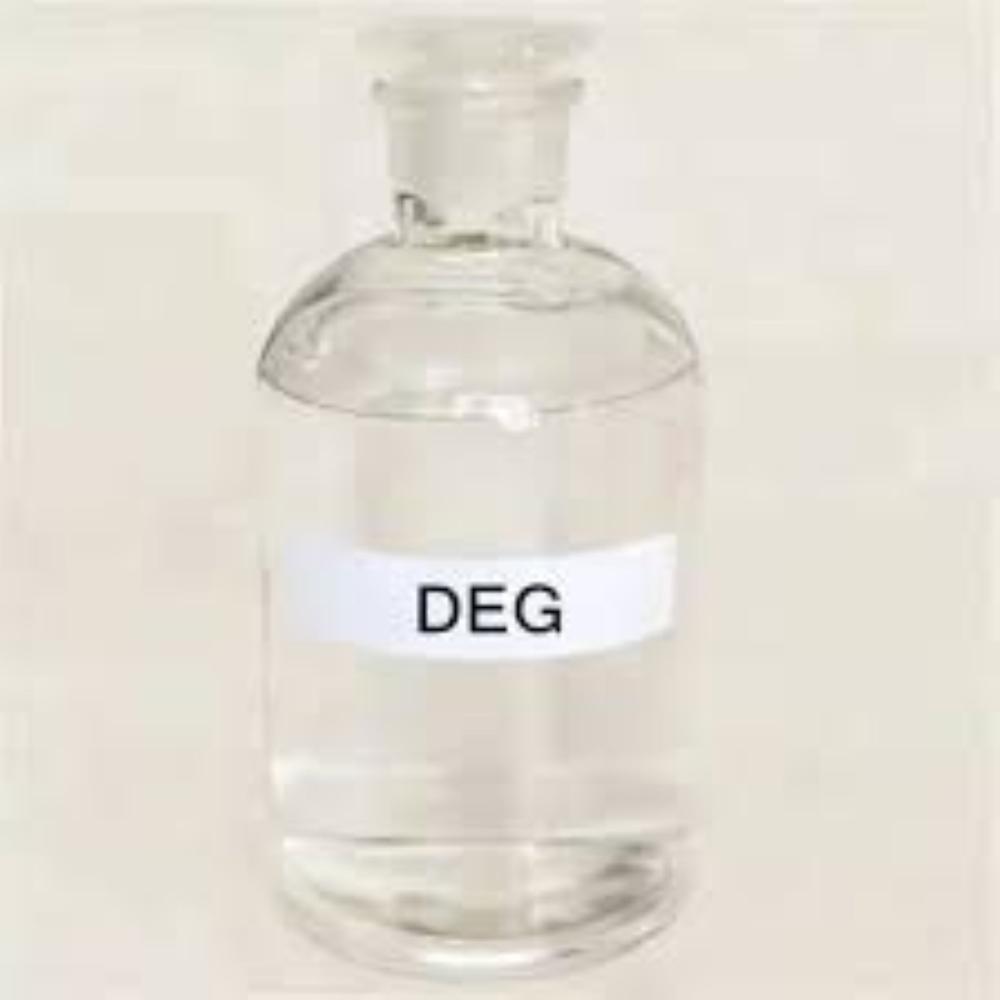
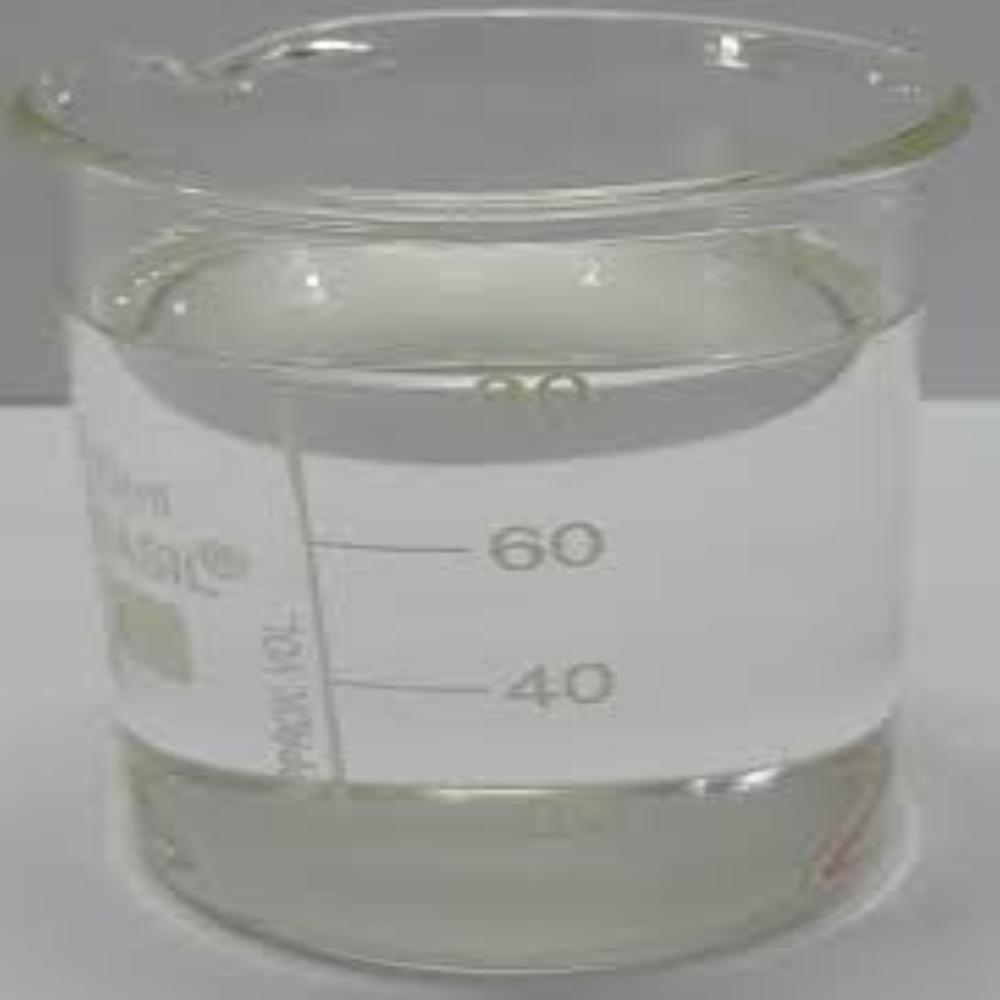
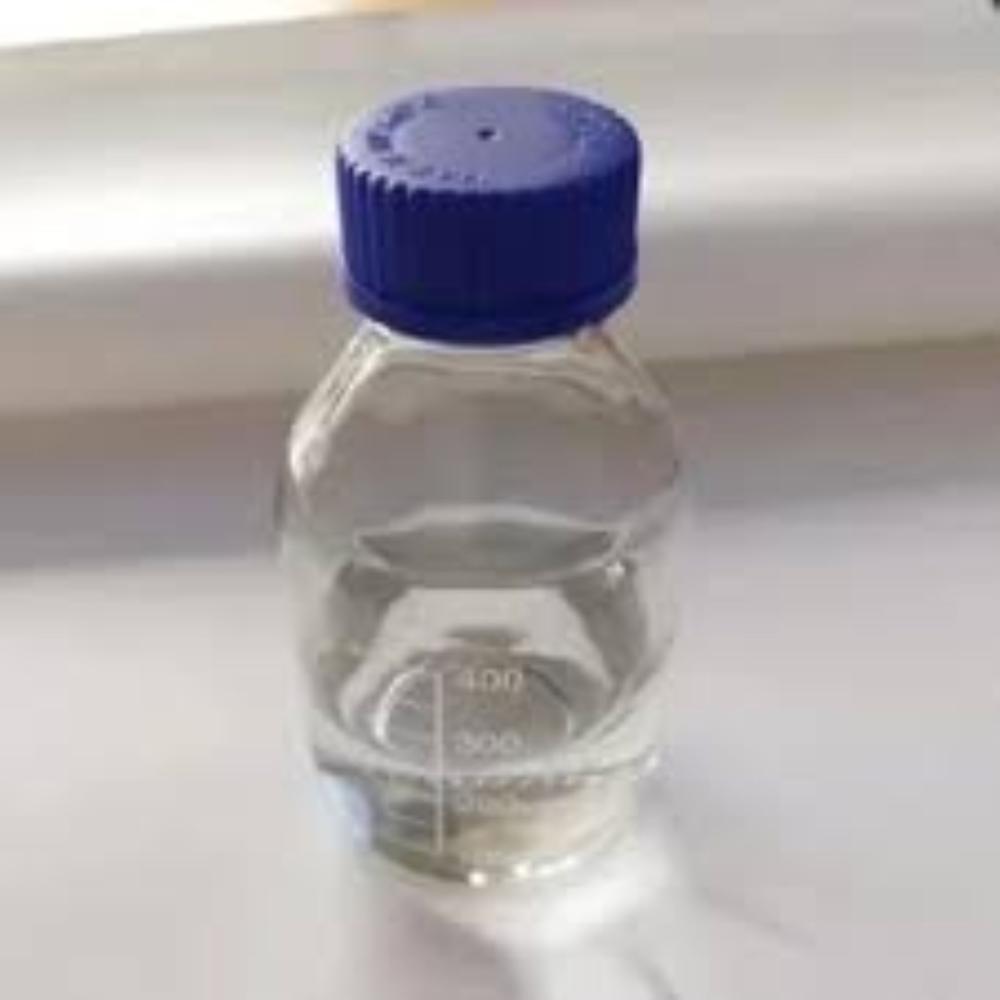
Clear, colorless liquid |
| Odor |
Mild or odorless |
| Boiling Point |
245C |
| Melting Point |
-10C |
| Density |
1.118 g/cm (at 20C) |
| Viscosity |
Moderate |
| Solubility |
Fully miscible with water |
| Purity (Industrial Grade) |
99% |
| Flash Point |
138C |
Applications
1. Polymer & Resin Industry
- Used in manufacturing unsaturated polyester resins
- Acts as a plasticizer and softening agent
2. Gas Processing
- Widely used in natural gas dehydration systems
- Removes water vapor from gas streams
3. Solvent Applications
- Used in paints, dyes, inks, and cleaning agents
- Acts as a carrier solvent in various formulations
4. Textile Industry
- Used as a lubricant and finishing agent
- Helps improve fiber flexibility
5. Automotive & Coolants
- Used in brake fluids and antifreeze blends
6. Chemical Intermediate
- Used in production of morpholine and other chemicals
Function
- Moisture Absorption (Hygroscopic Agent)
Efficiently absorbs water, making it ideal for drying gases and controlling humidity.
- Solvent Carrier
Dissolves a wide range of substances, enhancing formulation stability.
- Plasticizer
Improves flexibility and durability in polymers and resins.
- Heat Transfer Medium
High boiling point allows stable performance in thermal systems.
Benefits
- High boiling point suitable for high-temperature applications
- Excellent water solubility easy formulation and handling
- Hygroscopic nature effective moisture control
- Chemical stability long shelf life
- Cost-effective widely available and economical
- Versatile used across multiple industries
Multipurpose Solvent for Industrial ApplicationsDiethylene Glycol serves as a key ingredient in double component adhesives, particularly in the automotive and coolant sectors. Its excellent solubility with water enhances its effectiveness across a range of solvent applications, making it a popular choice among manufacturers for its reliability and adaptability.
Efficient Coating and Adhesive PerformanceThe liquid coating properties of DEG lend superior flow and coverage, especially when applied by spray methods. Its moderate drying time allows for thorough bonding or coating, resulting in durable, long-lasting finishes that meet the demands of industrial and automotive environments.
FAQ's of Diethylene Glycol (DEG):
Q: How is Diethylene Glycol typically applied in adhesive and coating processes?
A: Diethylene Glycol is most often applied using spray methods, particularly in liquid coating and double component adhesive formulations, ensuring even distribution and optimal performance.
Q: What are the primary uses of Diethylene Glycol in the automotive sector?
A: In the automotive industry, DEG is used mainly as a solvent in adhesives and coolants, contributing to effective bonding and efficient thermal management applications.
Q: When should I expect a coating made with DEG to be fully dry?
A: A coating or adhesive layer containing Diethylene Glycol typically takes about two days to fully dry under standard conditions.
Q: Where is Diethylene Glycol available for bulk industrial use in India?
A: Diethylene Glycol is distributed, manufactured, and supplied by reputable traders across India, catering to various industrial and manufacturing needs.
Q: What is the benefit of DEG's complete miscibility with water?
A: DEG's full miscibility with water allows for easy integration into aqueous solutions and formulations, enhancing its versatility and simplifying processing in solvent applications.
Q: How can DEG improve the quality of double component adhesives?
A: DEG acts as an effective solvent that enhances the homogeneity and stability of double component adhesives, resulting in stronger bonds and improved application ease.




 Send Inquiry

 Send Inquiry