Diisobutyl phthalate (DIBP) About
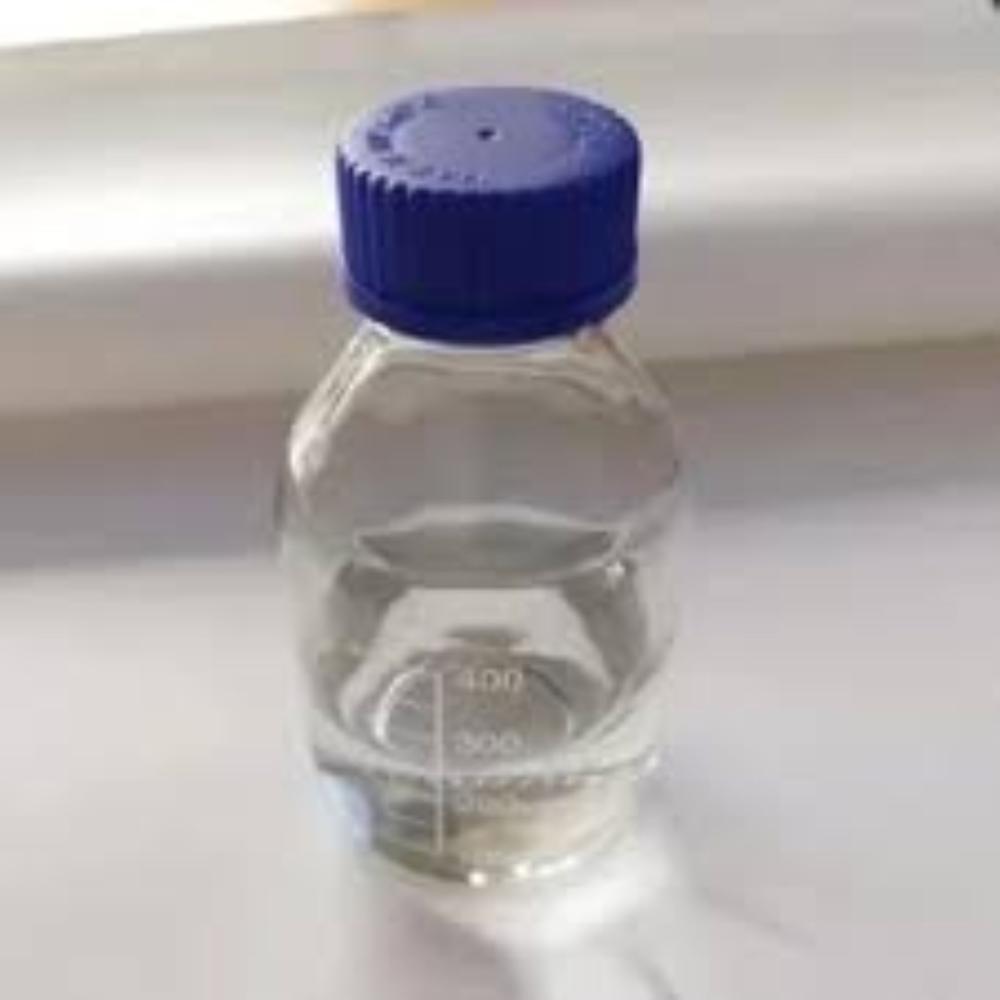
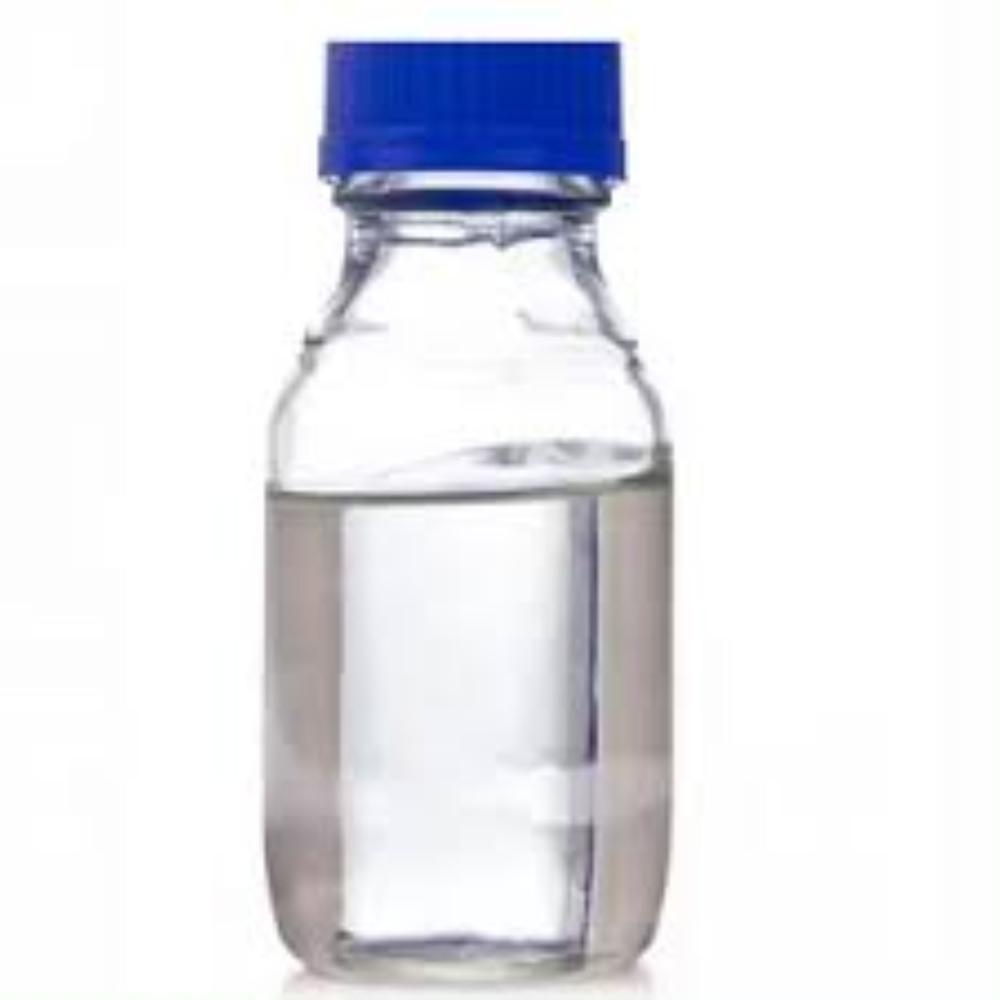
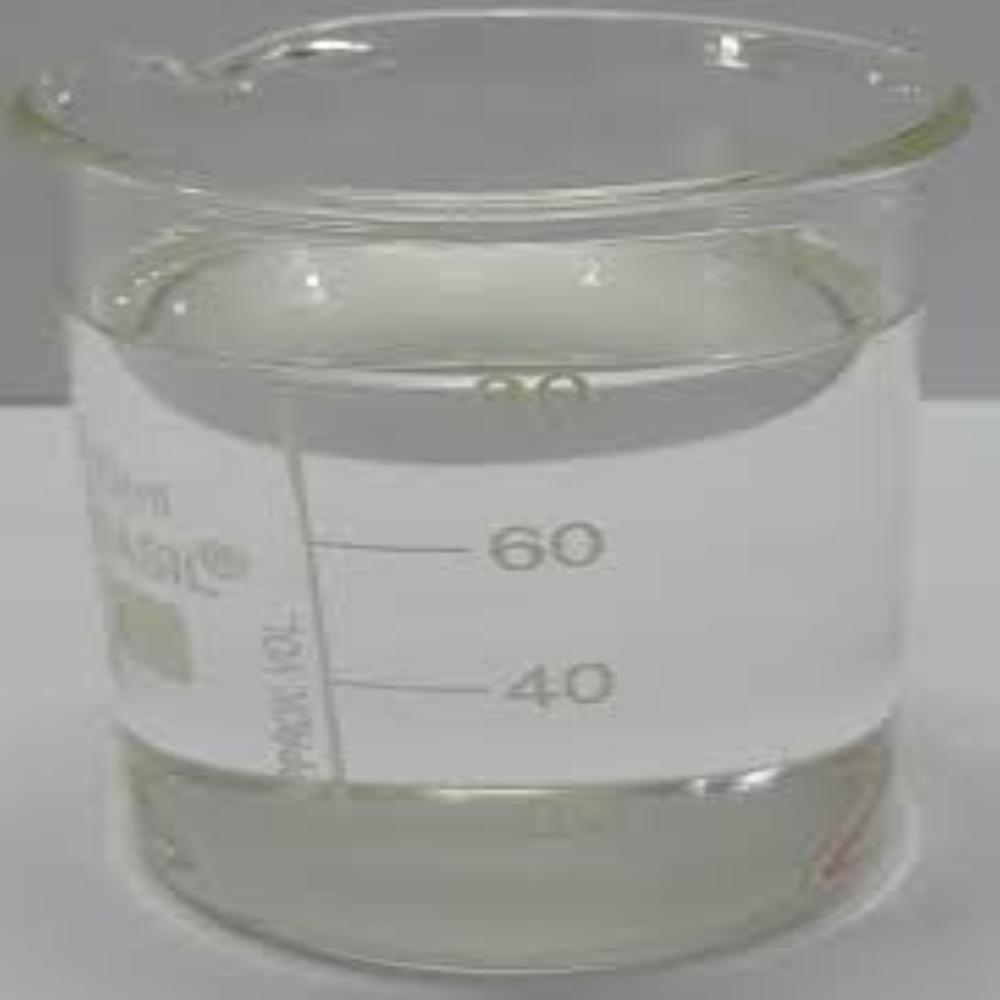
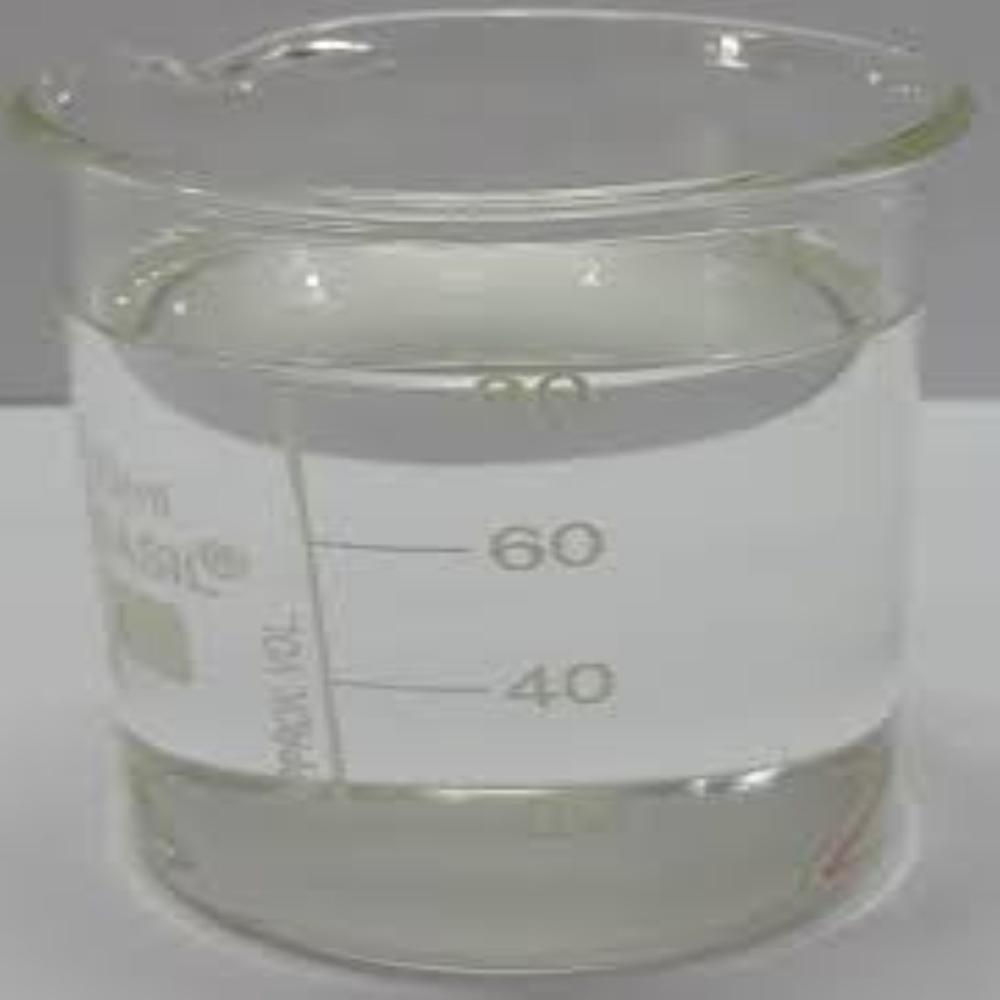
Diisobutyl Phthalate (DIBP) is a phthalate ester plasticizer derived from phthalic acid and isobutanol. It is a colorless to pale yellow oily liquid with a mild characteristic odor. DIBP is structurally similar to dibutyl phthalate (DBP) but contains branched isobutyl groups, which influence its plasticizing efficiency and volatility.
DIBP is widely used as a secondary plasticizer in polymer formulations, particularly in polyvinyl chloride (PVC) and other synthetic resins. It improves flexibility, softness, and processability of plastics while maintaining cost efficiency. Due to its relatively lower molecular weight, it provides good compatibility with various resins but also exhibits higher volatility compared to higher molecular weight plasticizers.
2. Key Specifications (Typical Industrial Grade)
| Property |
Specification |
| Chemical Name |
Diisobutyl Phthalate |
| Chemical Formula |
CHO |
| Molecular Weight |
278.34 g/mol |
| Appearance |
Clear, oily liquid |
| Color (APHA) |
30 |
| Purity |
99% |
| Ester Content |
99% |
| Density (20C) |
1.04 1.06 g/cm |
| Boiling Point |
320C |
| Flash Point |
160170C |
| Acid Value |
0.1 mg KOH/g |
| Moisture Content |
0.1% |
| Viscosity (20C) |
5070 cP |
| Refractive Index |
1.49 |
3. Applications
A. Plastics & Polymers
- PVC products (films, sheets, cables)
- Synthetic rubber compounding
- Flooring materials
- Artificial leather
B. Adhesives & Sealants
- Pressure-sensitive adhesives
- Latex adhesives
- Sealant formulations
C. Coatings & Paints
- Nitrocellulose coatings
- Industrial paints
- Lacquers and varnishes
D. Printing Inks
- Improves flow and flexibility
- Used in packaging inks
E. Personal Care & Specialty Uses (restricted in many regions)
- Nail polish formulations (historically)
- Fragrance fixatives
4. Function in Formulations
DIBP acts primarily as:
- Plasticizer Enhances flexibility and softness of polymers
- Processing Aid Improves workability during manufacturing
- Viscosity Modifier Adjusts flow characteristics in coatings and adhesives
- Film Former Enhancer Improves film integrity and durability
- Compatibility Agent Helps blend different components smoothly
5. Benefits
Performance Benefits
- Improves flexibility and elongation
- Enhances low-temperature performance
- Provides good compatibility with many resins
- Improves surface finish and appearance
Processing Benefits
- Reduces processing temperature
- Improves flow and moldability
- Speeds up production cycles
Economic Benefits
- Cost-effective compared to primary plasticizers
- Useful as a partial replacement for DBP or other plasticizers
Formulation Advantages
- Good solvating power
- Balanced volatility for certain applications
- Enhances adhesion in coatings and inks
6. Limitations / Considerations
- Higher volatility than high-molecular-weight plasticizers
- Regulatory restrictions in toys, food contact, and cosmetics in many regions
- Potential health/environmental concerns as a phthalate
7. Storage & Handling
- Store in tightly closed containers
- Keep away from heat and direct sunlight
- Use proper PPE (gloves, goggles)
- Ensure good ventilation
High-Purity DIBP for Industrial ApplicationsOur Diisobutyl phthalate (DIBP) boasts an impressive 99% purity, ensuring reliable results in manufacturing processes. As a primary solvent in printing inks, coatings, and paints, DIBP improves flexibility, adhesion, and longevity in finished products, particularly when used in PVC and liquid coating systems. It is tailored for double component adhesive formulas, guaranteeing optimal compatibility and efficiency.
Versatile Usage in Coatings & PaintsDIBP functions as a key component in coatings and paints, where its clear, oily appearance facilitates smooth blending and even finishes. It is suitable for spray application methods, promoting uniform distribution and surface coverage. Its role as a solvent allows for enhanced workability and stability in multiple formulations and industrial requirements.
FAQ's of Diisobutyl phthalate (DIBP):
Q: How is Diisobutyl phthalate (DIBP) typically applied in the coatings and paints industry?
A: DIBP is most commonly applied as a liquid coating using spray methods. Its clear and oily composition promotes even distribution, making it ideal for achieving smooth, consistent finishes on various surfaces.
Q: What benefits does DIBP offer in double component adhesives for PVC uses?
A: In double component adhesive systems, DIBP acts as a plasticizer and solvent, improving the flexibility and durability of PVC bonds. Its high purity ensures strong adhesive performance and reliable results.
Q: Where is DIBP primarily distributed and supplied in India?
A: DIBP is available from multiple distributors, manufacturers, suppliers, and traders across India, covering major industrial hubs to support the coatings, paints, and adhesives sectors.
Q: When should DIBP be used as a solvent in printing inks?
A: DIBP is best employed whenever a stable, high-purity solvent with good film-forming ability is required for printing inks, ensuring vibrant color dispersal and consistent print quality.
Q: What is the process of using DIBP in double component adhesives?
A: For double component adhesives, DIBP is blended into the formulation to act as both a plasticizer and solvent, enhancing the mixture's flow and workability, and supporting a strong, flexible bond upon curing.
Q: How does DIBP improve the properties of coatings and paints?
A: By incorporating DIBP, manufacturers achieve enhanced coating flexibility, improved adhesion, and longer-lasting surfaces. Its excellent solubility aids in achieving uniform finishes with superior durability.




 Send Inquiry

 Send Inquiry