

Talk to us
08045475648
Talk to us
08045475648
Shipping fuel refers to the range of fuels used to power marine vessels such as cargo ships, tankers, fishing boats, cruise liners, naval ships, and offshore support vessels. These fuels are specially designed to provide high energy output and reliable engine performance for long-distance marine transportation.
Traditionally, the shipping industry has relied on heavy fuel oil (HFO), marine diesel oil (MDO), and marine gas oil (MGO) due to their high energy density and cost efficiency. However, with increasing global environmental regulations and sustainability goals, cleaner alternatives such as liquefied natural gas (LNG), biofuels, methanol, ammonia, and low-sulfur marine fuels are becoming more widely adopted.
Shipping fuel plays a critical role in global trade and logistics because more than 80% of world trade is transported by sea. Marine fuels are engineered to support large marine engines operating continuously under demanding oceanic conditions. Modern shipping fuels are also developed to reduce sulfur emissions, greenhouse gases, engine wear, and operational costs while improving vessel efficiency.
The quality of shipping fuel directly impacts engine performance, fuel economy, maintenance requirements, operational safety, and environmental compliance. International maritime organizations and environmental authorities regulate shipping fuels to minimize air pollution and ensure cleaner maritime operations.
| Parameter | Specification |
|---|---|
| Fuel Type | HFO, MGO, MDO, LNG, Biofuel, Methanol |
| Sulfur Content | Ultra-low sulfur to IMO compliant grades |
| Viscosity | Suitable for marine engine requirements |
| Energy Density | High calorific value for long voyages |
| Flash Point | Typically above marine safety standards |
| Water Content | Controlled to avoid engine damage |
| Density | Optimized for marine combustion systems |
| Combustion Efficiency | High efficiency for reduced fuel consumption |
| Storage Stability | Long-term storage capability onboard |
| Environmental Compliance | IMO 2020 and MARPOL compliant options available |
Shipping fuels are used across a wide range of marine and maritime operations, including:
The primary function of shipping fuel is to provide energy for marine propulsion systems and onboard operations. Marine fuels power the main engines that drive ship propellers and also support auxiliary engines used for electricity generation, heating, cooling, navigation systems, and onboard equipment.
Key operational functions include:
Shipping fuels provide strong energy output required for large vessels traveling long distances.
Marine fuels support economical bulk transportation across international trade routes.
Designed for marine engines operating under continuous and heavy-duty conditions.
Offers sustained power generation for extended ocean voyages.
Modern fuels enhance engine efficiency and reduce downtime.
Low-sulfur and cleaner fuel options help reduce emissions and comply with international regulations.
Cleaner combustion helps minimize engine deposits and wear.
Available in conventional and alternative fuel types for different vessel requirements.
Marine fuels are manufactured according to international maritime safety specifications.
Shipping fuels are essential for worldwide cargo movement and maritime logistics operations.
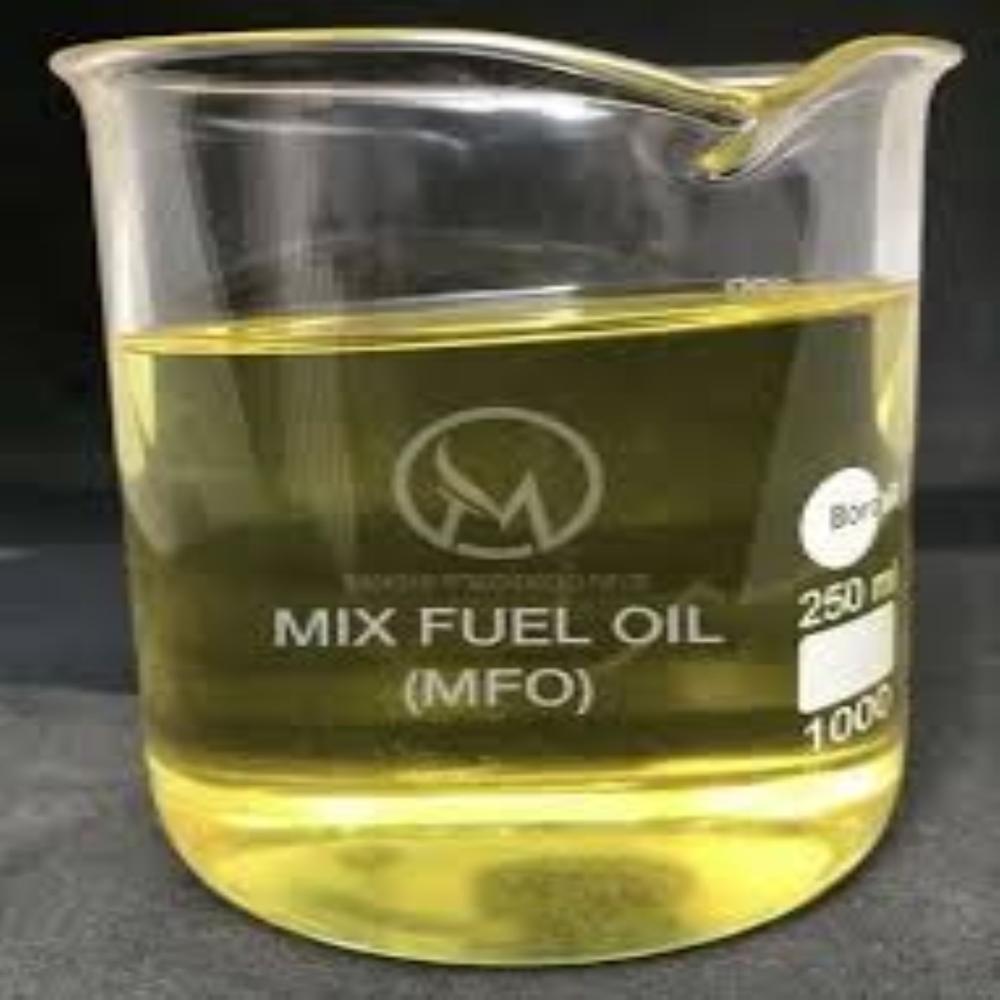

Price:
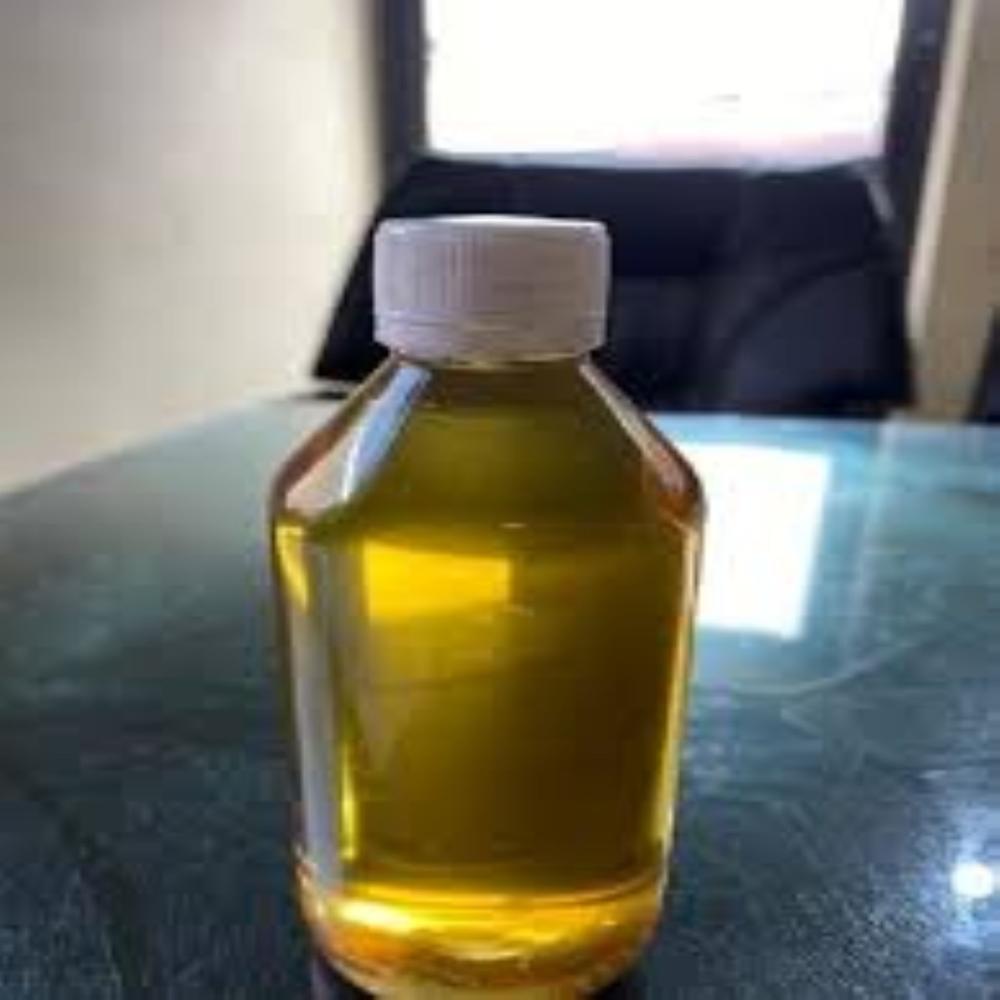
Price 80.0 INR / Kilograms
Minimum Order Quantity : 500 Kilograms
Type : Used Transformer Oil (UTO)
Application : Industrial Lubricants
Color : Dark Brown to Black Liquid
Smell : Stimulus

Price 80.0 INR / Kilograms
Minimum Order Quantity : 500 Kilograms
Type : CNSL Oil
Application : Industrial Lubricants
Color : Dark Brown Viscous Liquid
Smell : Stimulus

Price 80.0 INR / Kilograms
Minimum Order Quantity : 500 Kilograms
Type : Alkylate Fuel
Application : Automotive Lubricants
Color : Yellow
Smell : Sharp

Price 105.0 INR / Kilograms
Minimum Order Quantity : 1000 Kilograms
Type : Mix Hydrocarbon Oil
Application : Industrial Lubricants
Color : Light Yellow Liquid
Smell : Stimulus

 Send Inquiry

 Send Inquiry