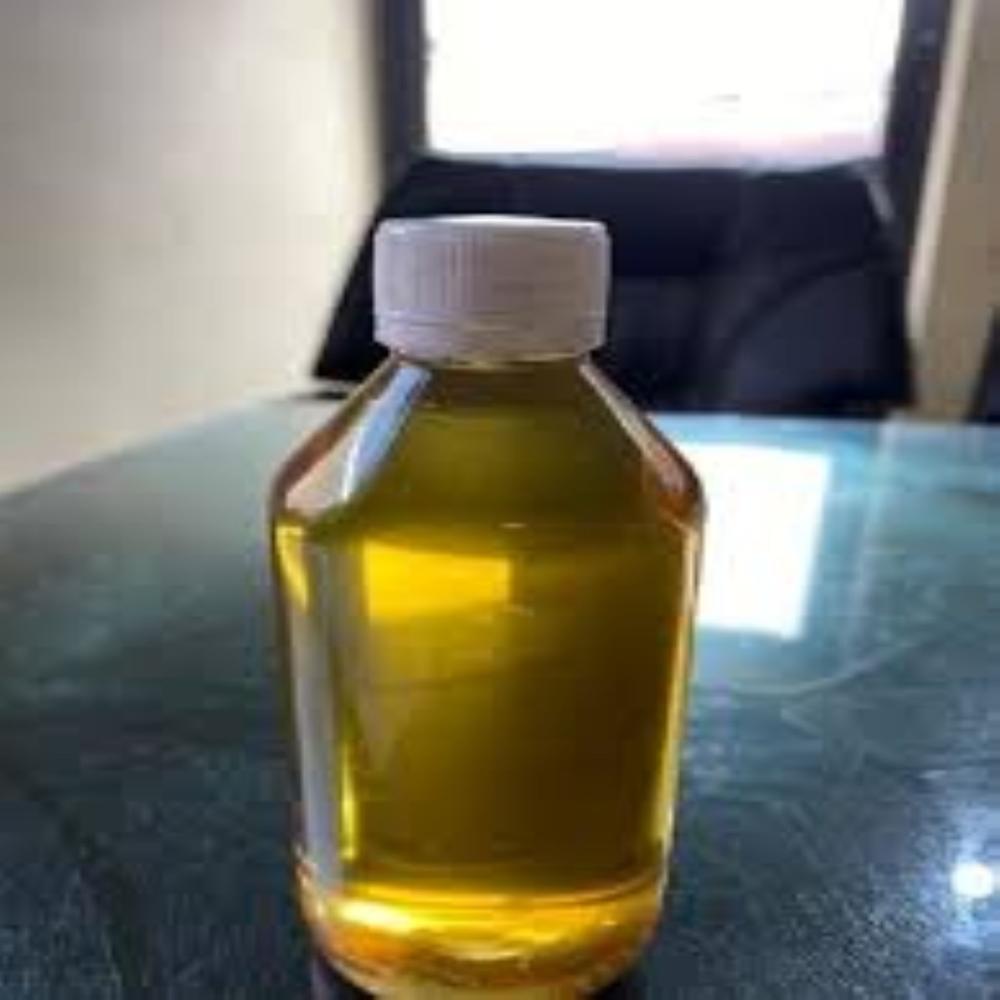
Pyrolysis Oil derived from plastic waste is a hydrocarbon-rich liquid fuel produced through the thermal decomposition of waste plastics in the absence of oxygen. This process converts non-recyclable plastic materials into a valuable alternative fuel and industrial feedstock. With a density of approximately 0.800 g/cm, plastic pyrolysis oil is widely used in industrial heating systems, power generation, fuel blending, and chemical processing industries.
The product is known for its high calorific value, cost efficiency, and ability to support sustainable waste management practices by converting plastic waste into usable energy resources.
Key Specifications
| Parameter |
Specification |
| Product Name |
Plastic Pyrolysis Oil |
| Appearance |
Dark Brown to Black Liquid |
| Density |
0.800 g/cm |
| Odor |
Characteristic Hydrocarbon Odor |
| State |
Liquid |
| Feedstock |
Waste Plastic Material |
| Process |
Pyrolysis Technology |
| Calorific Value |
High Energy Fuel |
| Solubility in Water |
Insoluble |
| Flash Point |
Moderate |
| Sulfur Content |
Low to Moderate |
| Storage Condition |
Cool, Dry & Ventilated Area |
Applications
Industrial Fuel
Used as an alternative industrial fuel in boilers, furnaces, kilns, and heating systems due to its high energy content.
Power Generation
Suitable for use in generators and power plants after proper filtration and processing.
Fuel Blending
Can be blended with furnace oil, diesel, or heavy fuel oil for industrial applications.
Chemical Industry
Used as a raw material in chemical manufacturing and refinery processes.
Waste-to-Energy Projects
Widely utilized in sustainable waste management and energy recovery systems.
Marine & Heavy Industries
Applicable in certain marine and heavy industrial operations after refining and treatment.
Functions
Energy Recovery
Converts waste plastic into valuable liquid fuel with high combustion efficiency.
Alternative Fuel Source
Acts as a substitute for conventional fossil fuels in multiple industrial sectors.
Resource Utilization
Promotes effective utilization of non-recyclable plastic waste.
Thermal Energy Production
Provides stable heat generation for industrial operations.
Feedstock for Refining
Can be further refined into diesel-like fuels and petrochemical products.
Benefits
Cost Effective
Provides a more economical fuel alternative compared to conventional industrial fuels.
Environmental Support
Helps reduce plastic waste accumulation and supports circular economy initiatives.
High Calorific Value
Delivers efficient combustion and strong energy output.
Waste Reduction
Contributes to reduction of landfill waste and environmental pollution.
Industrial Efficiency
Supports uninterrupted industrial heating and energy operations.
Sustainable Energy Solution
Encourages energy recovery from waste materials and reduces dependence on crude oil.
Easy Storage & Transportation
Liquid form and moderate density allow convenient handling and transportation.









 Send Inquiry

 Send Inquiry