Di- Amonia Phosphate (DAP) About
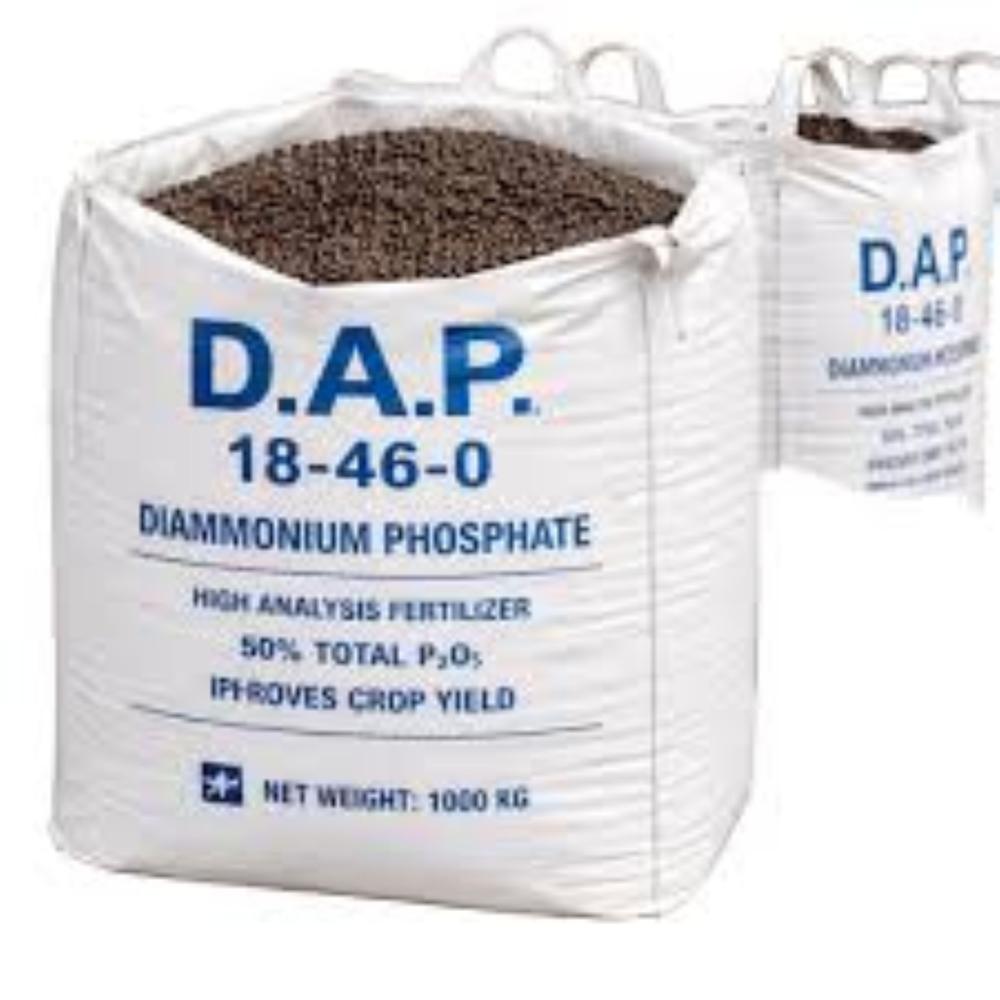
Di-Ammonium Phosphate (chemical formula: (NH)HPO) is a water-soluble, inorganic fertilizer that provides two essential plant nutrientsnitrogen (N) and phosphorus (P). It is typically produced by reacting ammonia with phosphoric acid.
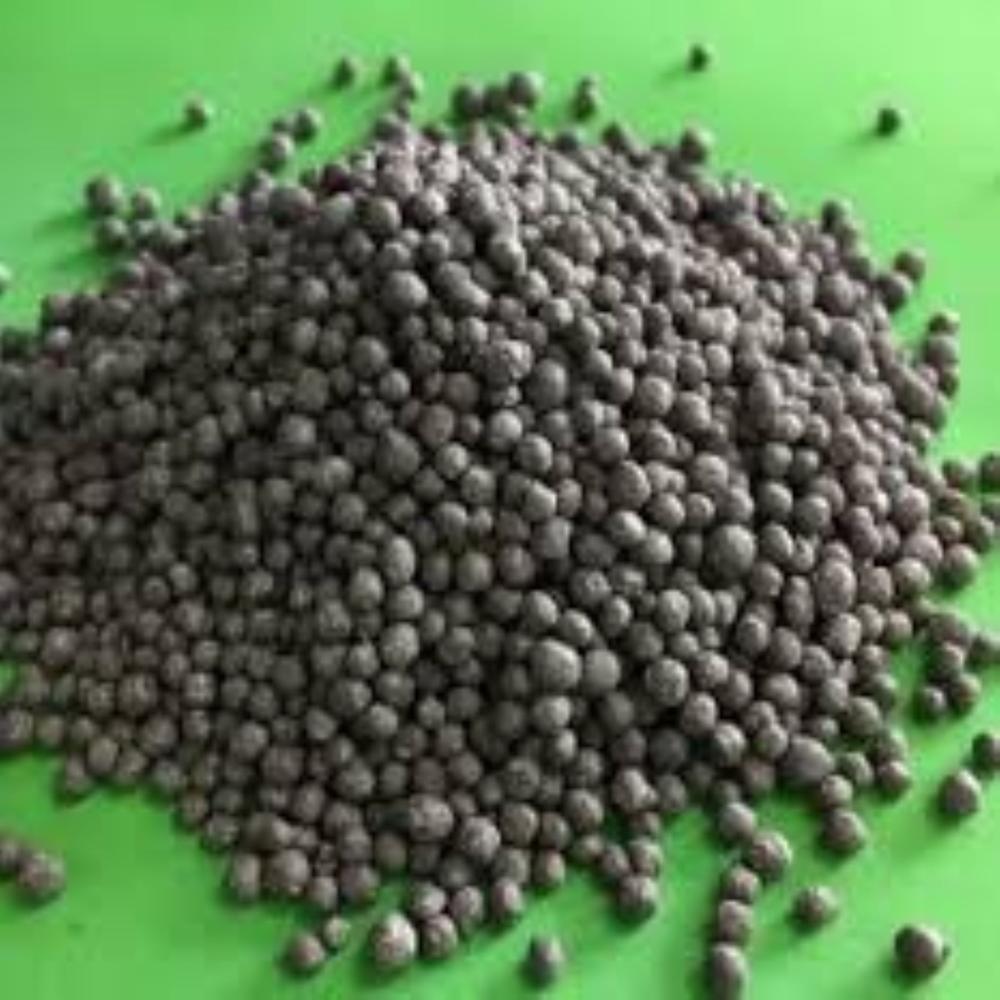
DAP appears as granular, grey to off-white particles and is highly stable, making it easy to store and transport. It is especially effective when applied at the early stages of crop growth, supporting strong root development and early plant vigor.
Key Specifications
| Property |
Details |
| Chemical Formula |
(NH)HPO |
| Nitrogen (N) Content |
18% |
| Phosphorus (PO) Content |
46% |
| Appearance |
Granular (grey/off-white) |
| Solubility |
Highly water-soluble |
| pH (1% solution) |
Slightly alkaline (7.58.0) |
| Moisture Content |
< 2% |
| Particle Size |
Uniform granules (24 mm typical) |
Applications
1. Agriculture
- Used as a basal fertilizer during sowing
- Suitable for crops like:
- Cereals (wheat, rice, maize)
- Pulses
- Oilseeds
- Fruits & vegetables
- Ideal for phosphorus-deficient soils
2. Horticulture
- Promotes flowering and fruit setting
- Used in nurseries and plantations
3. Fertigation
- Applied through irrigation systems due to high solubility
4. Industrial Use
- Fire retardants
- Yeast nutrient in fermentation
- Some water treatment applications
Functions in Plants
- Root Development: Encourages strong and deep root systems
- Energy Transfer: Phosphorus plays a key role in ATP formation
- Cell Division & Growth: Supports early plant establishment
- Nitrogen Supply: Aids leaf growth and chlorophyll formation
Benefits
- High Nutrient Concentration Efficient and cost-effective
- Quick Nutrient Availability Immediate uptake by plants
- Improves Crop Yield & Quality
- Enhances Root Growth Better nutrient and water absorption
- Versatile Application Suitable for soil and fertigation use
- Low Storage Losses Stable and non-volatile
Important Notes
- Avoid direct seed contact in high quantities (may cause seed burn)
- Best applied at sowing or early growth stage
- Works best when incorporated into soil rather than surface-applied
Versatile Application in Agriculture and HorticultureDi-Ammonia Phosphate (DAP) serves as an essential nutrient source in both agriculture and horticulture, providing plants with vital phosphorus and nitrogen. Its high solubility ensures rapid nutrient uptake, supporting vigorous plant growth. As a double component adhesive, DAP is also compatible with PVC solvent applications, offering versatility beyond fertilization.
Granular Formulation for Efficient HandlingThe granular nature of DAP allows for easy application and uniform distribution in fields and gardens. Its grey or off-white appearance is typical of high-quality DAP granules. Distributors and suppliers in India make this resource readily available for various users, including farmers, horticulturists, and large-scale traders.
FAQ's of Di- Amonia Phosphate (DAP):
Q: How should Di-Ammonia Phosphate (DAP) be applied in agriculture and horticulture?
A: DAP can be uniformly spread over the soil or mixed with water for fertigation. Its high water solubility ensures fast nutrient absorption, making it ideal for direct broadcasting or as part of irrigation systems in fields and nurseries.
Q: What makes Di-Ammonia Phosphate (DAP) beneficial for plants?
A: DAP provides essential phosphorus and nitrogen, enhancing root development, increasing yield, and promoting healthy plant growth. Its balanced nutrient composition supports both early and sustained growth phases of crops.
Q: When is the optimal time to use DAP in crop fields?
A: The best time to apply DAP is during soil preparation or at the sowing stage. Early application ensures nutrients are available when plants begin to grow, leading to efficient utilization and maximum benefit.
Q: Where can Di-Ammonia Phosphate (DAP) be sourced in India?
A: DAP is available through various manufacturers, distributors, suppliers, and traders across India. It is widely accessible for both retail and bulk purchase, especially from established agricultural input suppliers.
Q: What is the typical drying time for DAP after application?
A: DAP requires approximately two days for complete drying when used as an adhesive or in solvent applications. This allows for optimal bonding and integration into the applied surfaces or substrates.
Q: How does the process of using DAP as a PVC solvent work?
A: When utilized as a PVC solvent, DAP is applied to PVC surfaces to facilitate adhesion. Its double-component adhesive properties ensure strong and durable bonds, with a drying period of around two days for the best results.
Q: What are the main benefits of using DAP for large-scale agricultural operations?
A: DAP's high water solubility, concentrated nutrient content, and straightforward application make it particularly advantageous for commercial agriculture. It enhances soil fertility, supports increased productivity, and is compatible with mechanized fertilization methods.




 Send Inquiry

 Send Inquiry