About Used Cooking Oil (UCO)
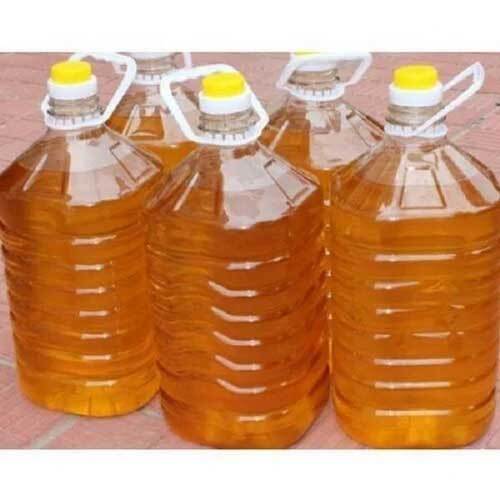
Used Cooking Oil (UCO) refers to edible oils and fats that have been used for cooking or frying in households, restaurants, or the food industry and are no longer suitable for consumption.
Over time, repeated heating causes chemical degradation (oxidation, polymerization), making the oil unsafe for reuse in food.
Key Specifications of UCO
Typical quality parameters used for classification:
-
Free Fatty Acid (FFA):
Usually higher than fresh oil (often > 25%)
-
Moisture & Impurities:
Contains food particles, water, and residues
-
Color:
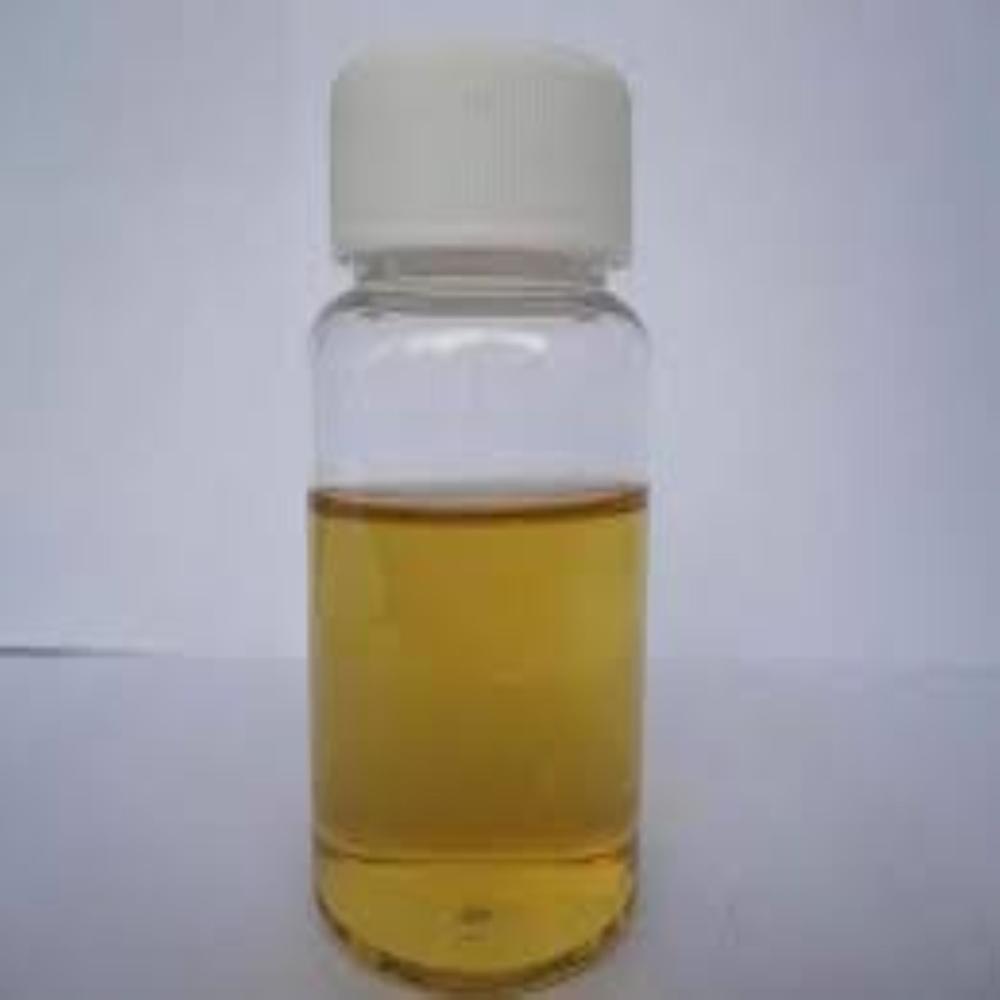
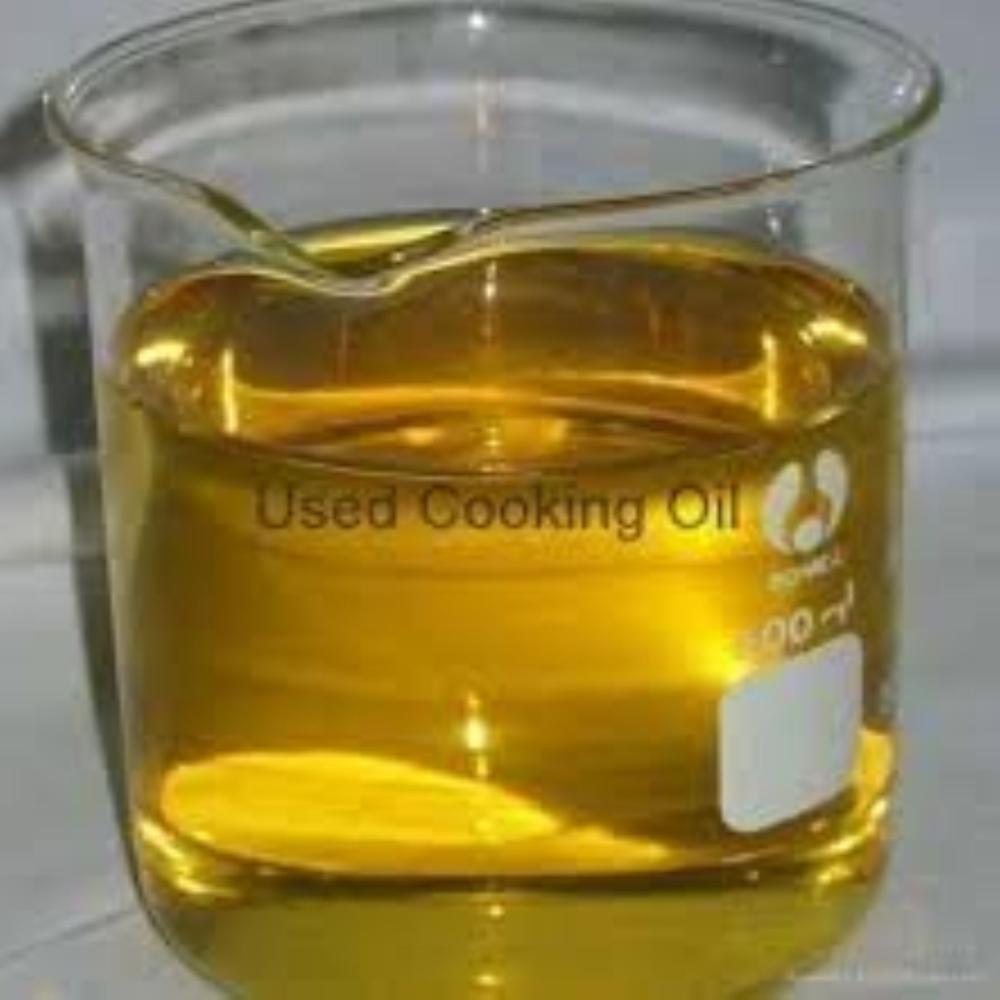
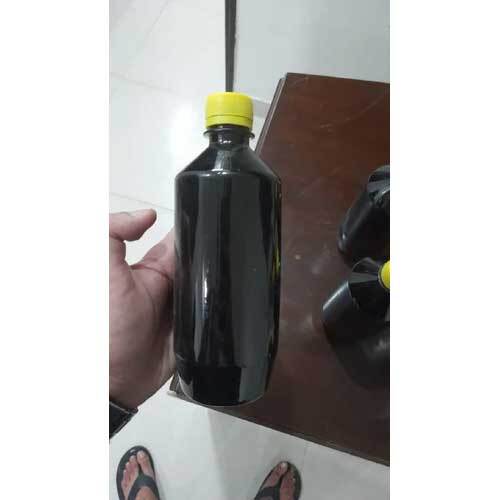
Dark brown to black
-
Odor:
Rancid or burnt smell
-
Peroxide Value:
Indicates oxidation level (higher in degraded oil)
-
Density:
Around 0.900.95 g/cm (varies)
-
Viscosity:
Higher than fresh oil due to polymer formation
Applications of UCO
UCO is not recommended for food reuse, but it has several industrial uses:
1. Biodiesel Production
2. Soap & Detergent Manufacturing
3. Lubricants & Greases
4. Animal Feed (Processed Form Only)
5. Biogas Production
6. Oleochemical Industry
Functions of UCO (Industrial Role)
-
Acts as a feedstock for renewable energy (biodiesel)
-
Provides fatty acids for chemical synthesis
-
Serves as a combustible energy source
-
Functions as a cost-effective raw material in manufacturing
Benefits of Using UCO Properly
Environmental Benefits
-
Reduces water and soil pollution (prevents improper disposal)
-
Lowers greenhouse gas emissions when converted to biodiesel
-
Supports circular economy
Economic Benefits
Health & Safety Benefits
Energy Benefits
Important Note
Reusing UCO for cooking can lead to harmful compounds (like aldehydes and trans fats), which are linked to diseases such as:
-
Heart disease
-
Cancer
-
Liver damage
-
Sustainable Lubricant SolutionsEmphasizing its green credentials, Used Cooking Oil (UCO) is valued for being both sustainable and biodegradable. By recycling food-grade oil, industries help reduce environmental impact and promote eco-friendly choices. Its application in automotive lubricants further supports a shift toward greener manufacturing practices.
Reliable Distribution Across IndiaMajor Indian manufacturers, distributors, suppliers, and traders ensure a consistent supply of high-quality UCO. Their intricate logistics network guarantees oil is available for industrial and commercial requirements, contributing positively to circular economy initiatives and regional sustainability goals.
FAQ's of Used Cooking Oil (UCO):
Q: How is used cooking oil processed for industrial applications?
A: Used cooking oil is collected from various food establishments and undergoes extensive filtration and purification to remove contaminants. It is then refined to meet the required standards, resulting in a food-grade recycled oil suitable for industrial uses such as automotive lubricants.
Q: What are the main benefits of using UCO as an automotive lubricant base?
A: UCO offers significant advantages, including its cost-effectiveness, biodegradable composition, and sustainable sourcing. These properties help lower operational costs and reduce environmental impact compared to conventional mineral-based oils.
Q: When should industries consider switching to used cooking oil-based lubricants?
A: Industries looking to enhance their environmental responsibility, reduce waste, and lower costs should consider transitioning to UCO-based lubricants. It is particularly well-suited for organizations aligned with sustainable development goals.
Q: Where can I find reliable suppliers of used cooking oil in India?
A: There are numerous trusted manufacturers, distributors, and traders of used cooking oil across India. They provide comprehensive supply chain support and quality assurance for industrial and commercial consumers.
Q: What is the general appearance and characteristic odor of used cooking oil?
A: UCO usually exhibits a dark brown to black color and has a distinct, yet pleasant, fragrant smell derived from cooking processes. Its consistency and appearance may vary slightly depending on its source and refinement process.
Q: How does the density and viscosity index of UCO affect its use as a lubricant?
A: With a density and viscosity index ranging from 0.90 to 0.95 g/cm3, UCO provides good flow characteristics, making it effective for blending in lubricants. These properties help ensure proper protection and performance in automotive applications.
Q: What makes used cooking oil a sustainable choice?
A: UCO is a recycled product that diverts waste from landfills and reduces reliance on fossil-based oils. Its biodegradable nature and role in circular economy processes further support sustainability in industrial sectors.




 Send Inquiry

 Send Inquiry