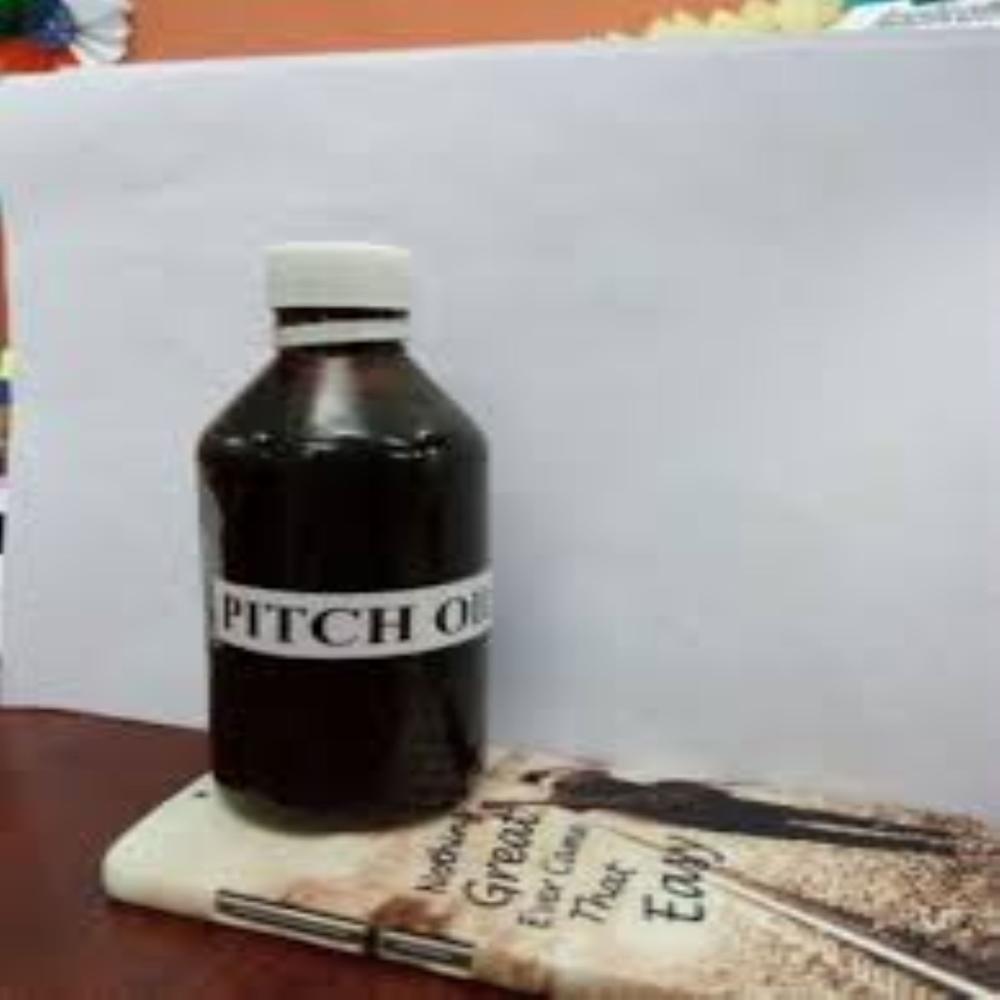
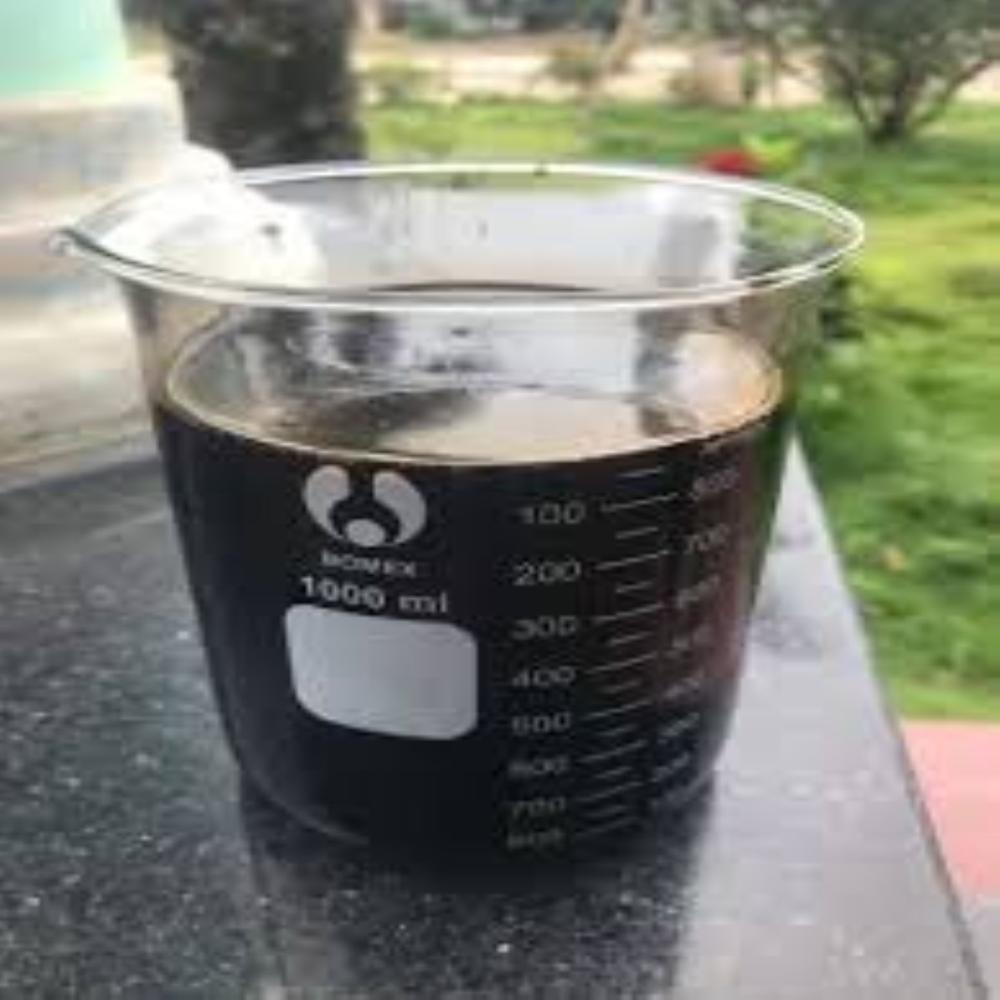
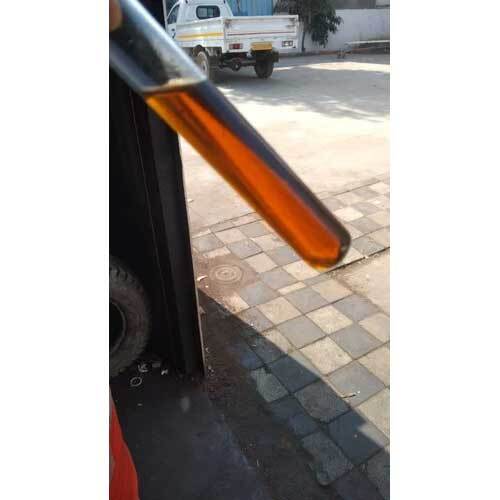
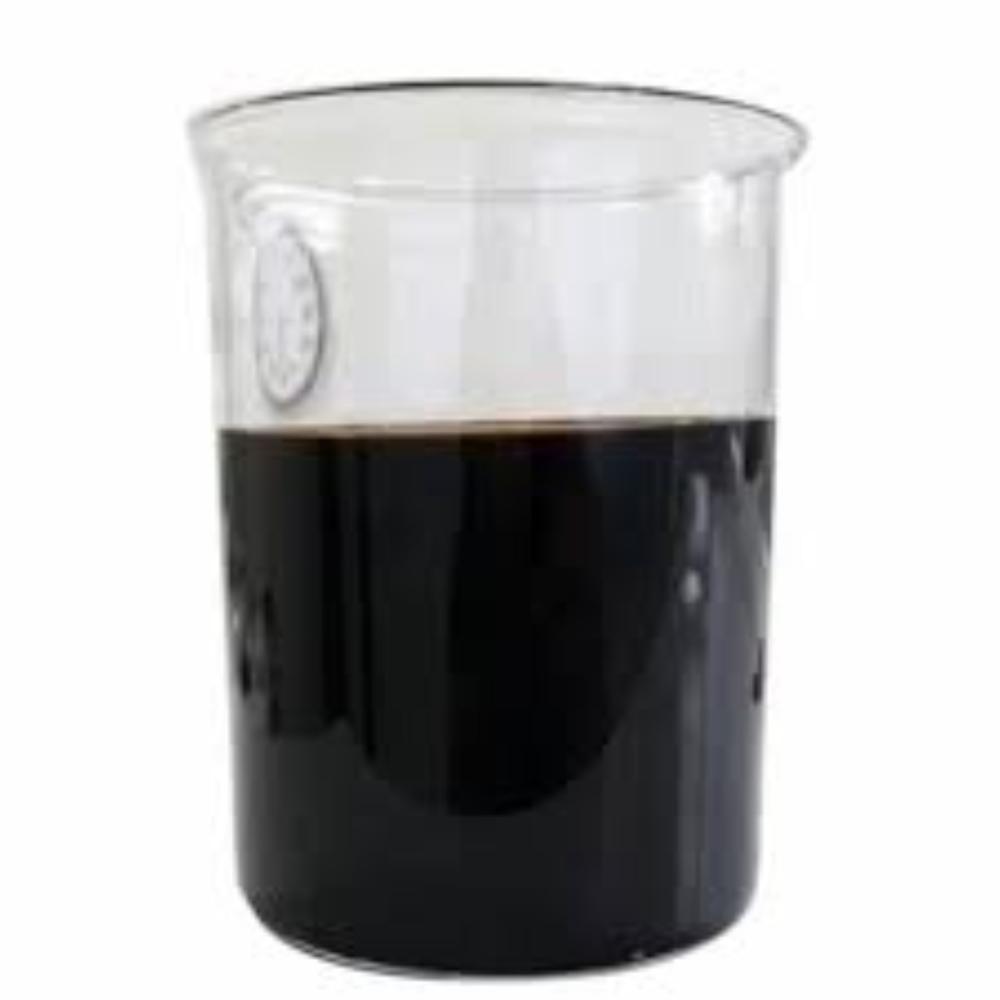
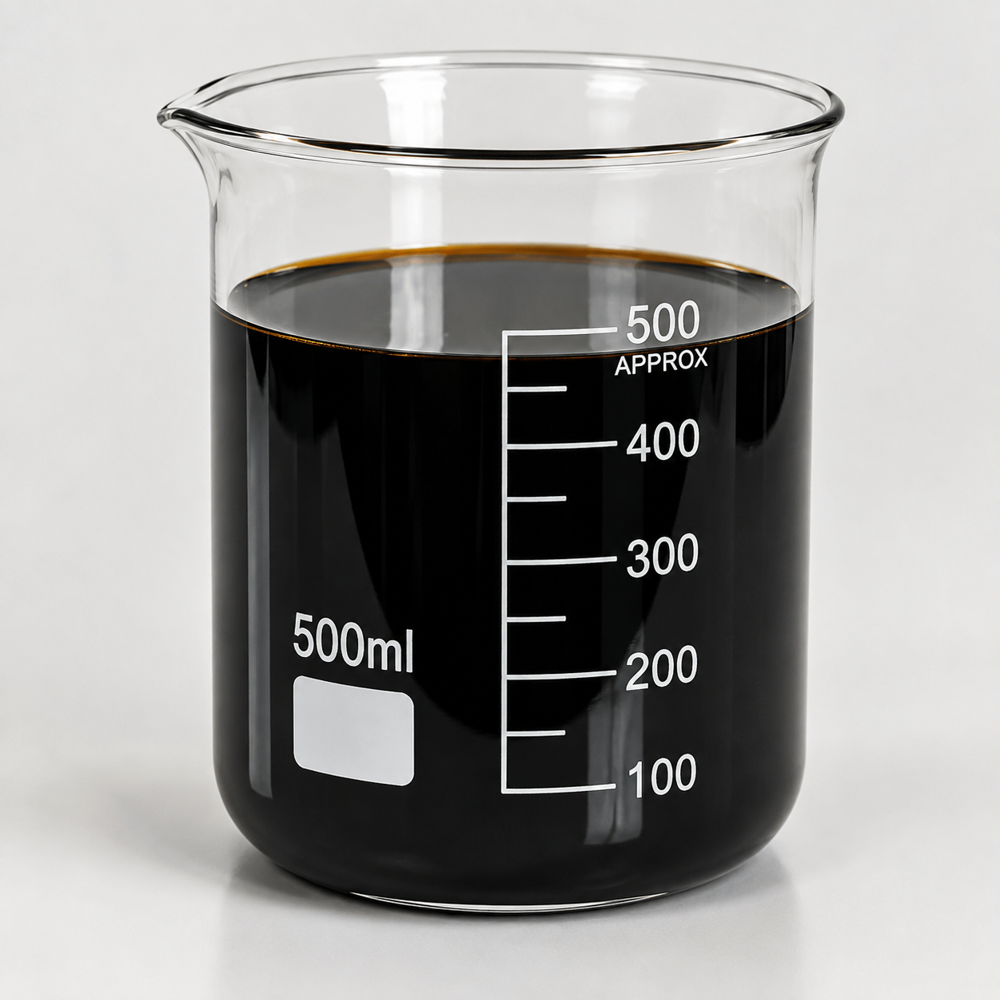
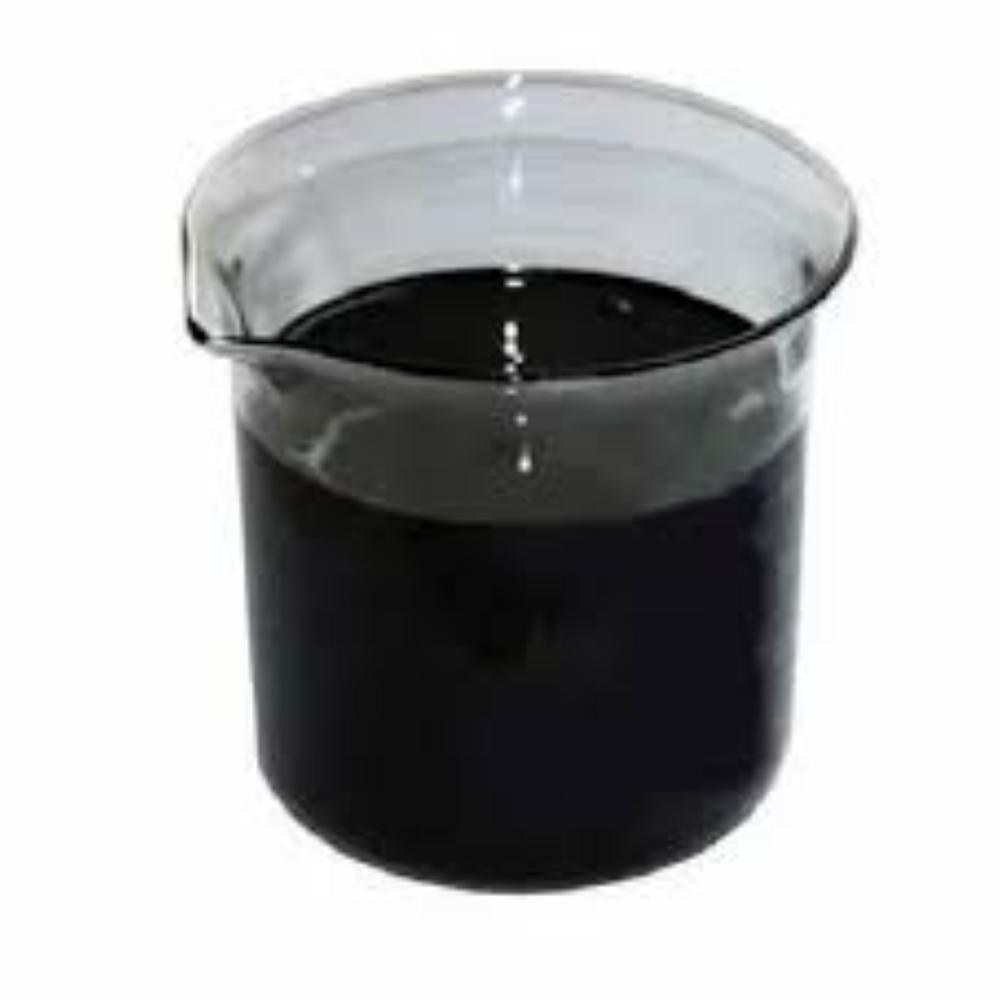
Vegetable Pitch Oil is a dark, viscous, semi-liquid to liquid industrial-grade product derived from the distillation and processing of vegetable oils such as soybean oil, castor oil, palm oil, rice bran oil, or tall oil. It is widely used in manufacturing industries due to its excellent binding, waterproofing, lubricating, and carbon-enhancing properties.
This eco-friendly and renewable alternative to petroleum-based pitch products offers superior adhesion, thermal stability, and compatibility with various industrial formulations. Vegetable Pitch Oil is commonly utilized in refractory industries, foundries, rubber processing, construction chemicals, fuel formulations, briquette manufacturing, waterproof coatings, and carbon products.
The product is valued for its high carbon residue, low ash content, excellent binding capability, and environmentally safer profile. Depending on the processing method and raw material source, Vegetable Pitch Oil can be customized in viscosity, flash point, softening characteristics, and carbon content to meet specific industrial requirements.
Key Specifications
| Parameter |
Specification |
| Appearance |
Dark Brown to Black Viscous Liquid |
| Odor |
Mild Characteristic |
| Viscosity |
Medium to High |
| Specific Gravity |
0.95 1.15 |
| Moisture Content |
< 2% |
| Ash Content |
Low |
| Flash Point |
Above 180C |
| Carbon Residue |
High |
| Solubility |
Partially soluble in organic solvents |
| pH Value |
Neutral to Slightly Acidic |
| Thermal Stability |
Excellent |
| Shelf Life |
12 Months (sealed condition) |
Applications
1. Foundry Industry
Used as a carbon additive and binder in molding sand formulations to improve casting surface finish and reduce defects.
2. Refractory Manufacturing
Acts as a binding and carbonizing agent in refractory bricks and monolithic products.
3. Briquette & Fuel Industry
Used in coal briquettes and biomass fuel products for enhanced binding strength and calorific value.
4. Rubber & Tire Industry
Functions as a processing oil and softening agent in rubber compound formulations.
5. Waterproofing & Construction
Applied in waterproof coatings, bituminous products, sealants, and protective industrial coatings.
6. Carbon & Graphite Products
Used in electrodes, carbon blocks, and graphite-based industrial products.
7. Lubricant & Grease Formulation
Suitable as a base component in industrial lubricants and specialty greases.
8. Chemical Processing
Utilized as an intermediate raw material for specialty industrial chemical formulations.
Functions
- Acts as a strong industrial binder
- Enhances carbon content in formulations
- Improves thermal resistance
- Provides waterproofing properties
- Increases adhesion and cohesion
- Enhances flexibility and durability
- Improves combustion efficiency in fuels
- Functions as a plasticizer and softener
- Supports eco-friendly industrial processing
Benefits
Eco-Friendly Alternative
Derived from renewable vegetable sources, reducing dependency on petroleum-based materials.
Excellent Binding Strength
Provides superior adhesion in briquettes, refractories, and industrial composites.
High Carbon Efficiency
Improves carbon yield and thermal performance in high-temperature applications.
Cost Effective
Offers economical performance in large-scale industrial operations.
Low Environmental Impact
Produces comparatively lower emissions and reduced toxic residues.
Versatile Industrial Use
Compatible with multiple industries including foundry, rubber, fuel, construction, and carbon products.
Improved Product Performance
Enhances durability, stability, flexibility, and resistance properties of finished products.
Customizable Properties
Can be processed according to specific viscosity, flash point, or carbon requirements




 Send Inquiry

 Send Inquiry