Crude Glycerine Below 50% Purity
Product Overview
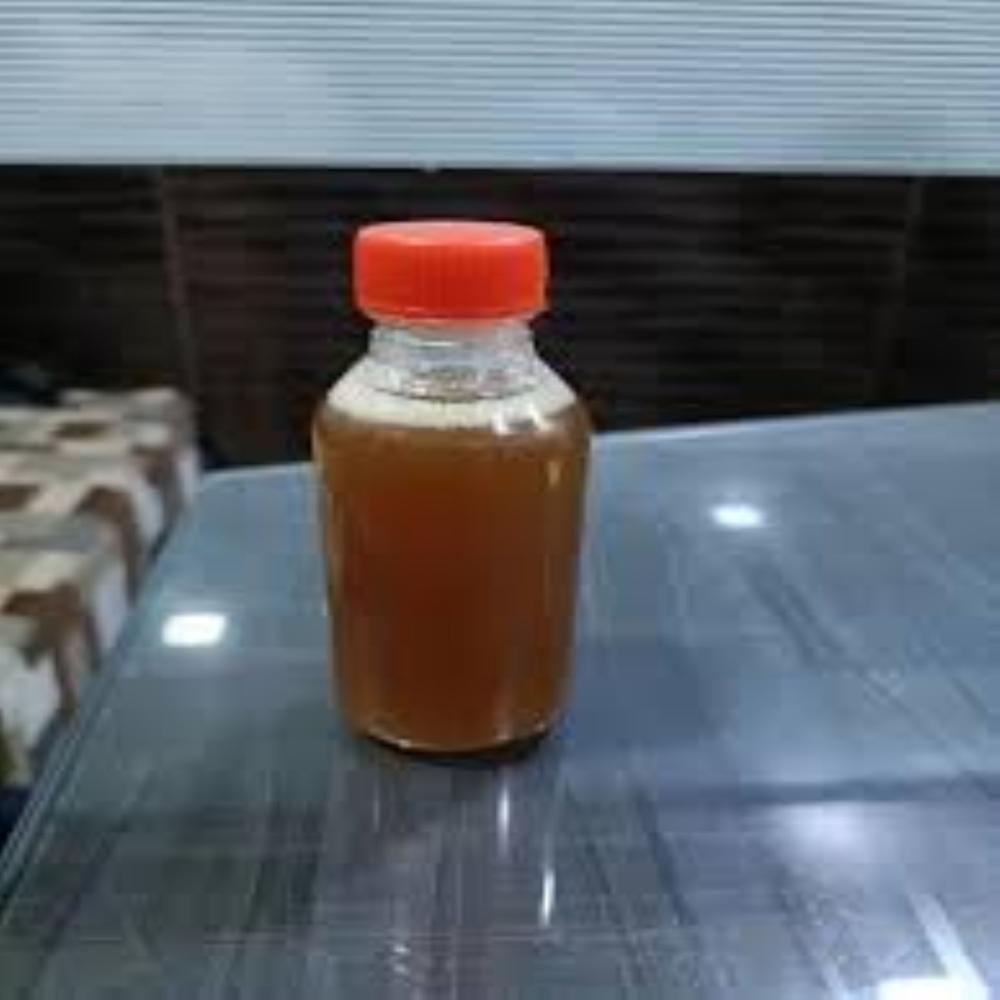
Crude Glycerine Below 50% Purity is an industrial-grade glycerine by-product obtained mainly from biodiesel production, soap manufacturing, and oleochemical processing. It contains less than 50% glycerol content along with water, salts, organic matter, fatty acids, methanol traces, and ash content. This grade of crude glycerine is widely used in industrial and technical applications where high purity glycerol is not required.
Due to its economical value and versatile chemical properties, crude glycerine below 50% purity is commonly utilized in industries such as agriculture, animal feed processing, biogas generation, chemical manufacturing, textile processing, construction chemicals, and fuel blending.
The product acts as a humectant, carbon source, binder, lubricant, and fermentation-supporting material depending on the application. It is preferred for large-scale industrial operations because of its cost-effectiveness and easy availability.
Key Specifications
| Parameter |
Specification |
| Product Name |
Crude Glycerine |
| Purity |
Below 50% |
| Appearance |
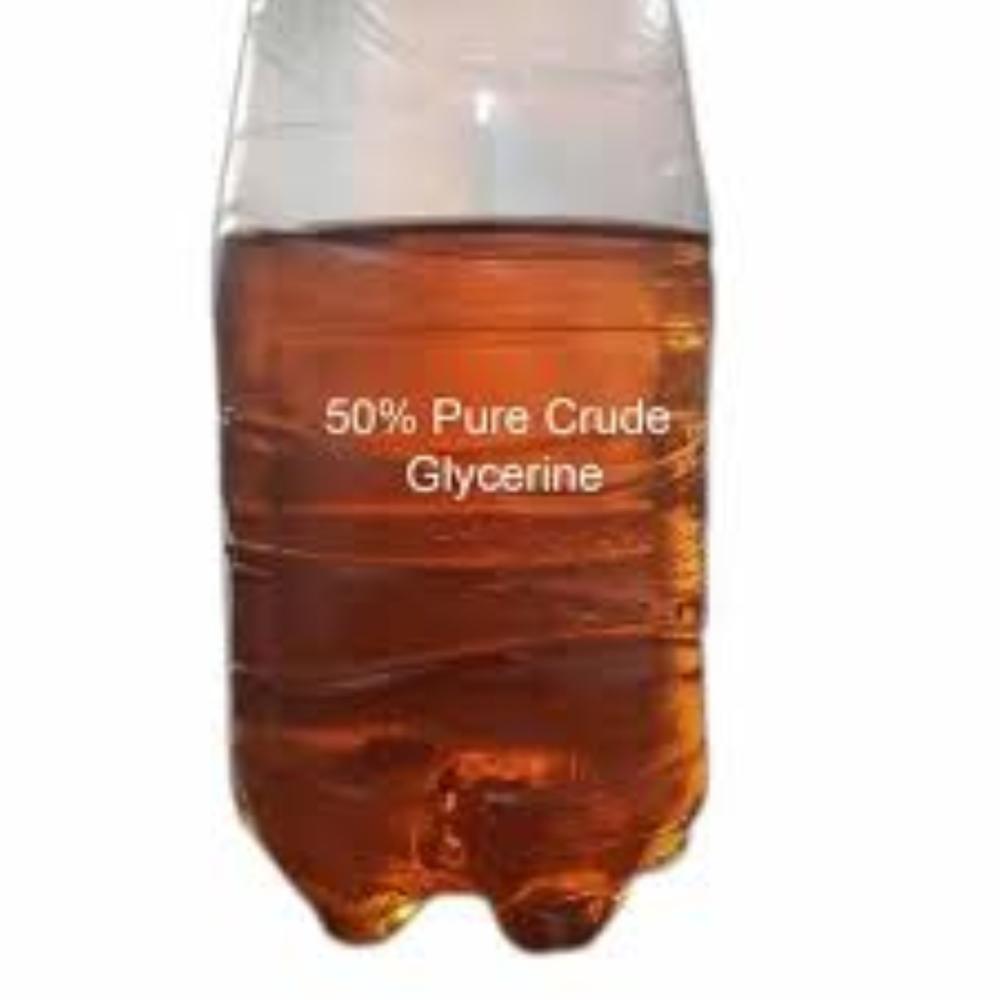
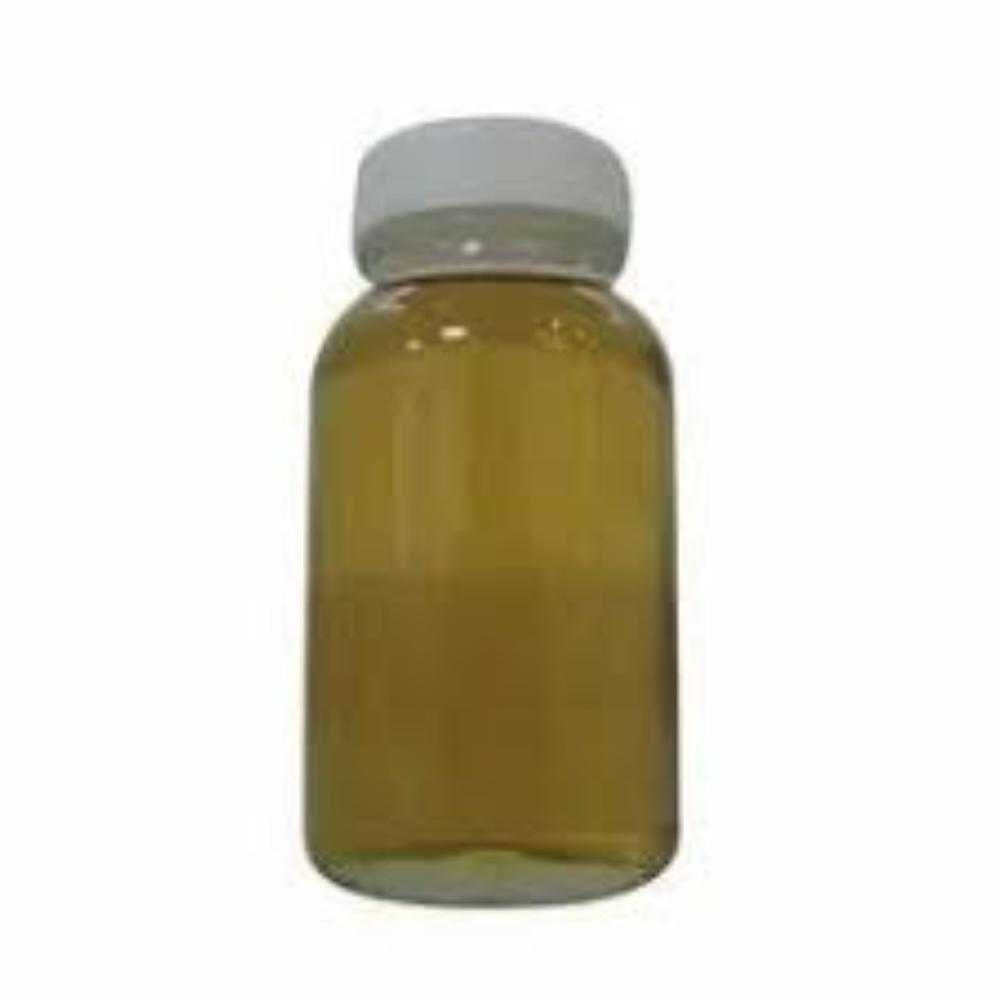
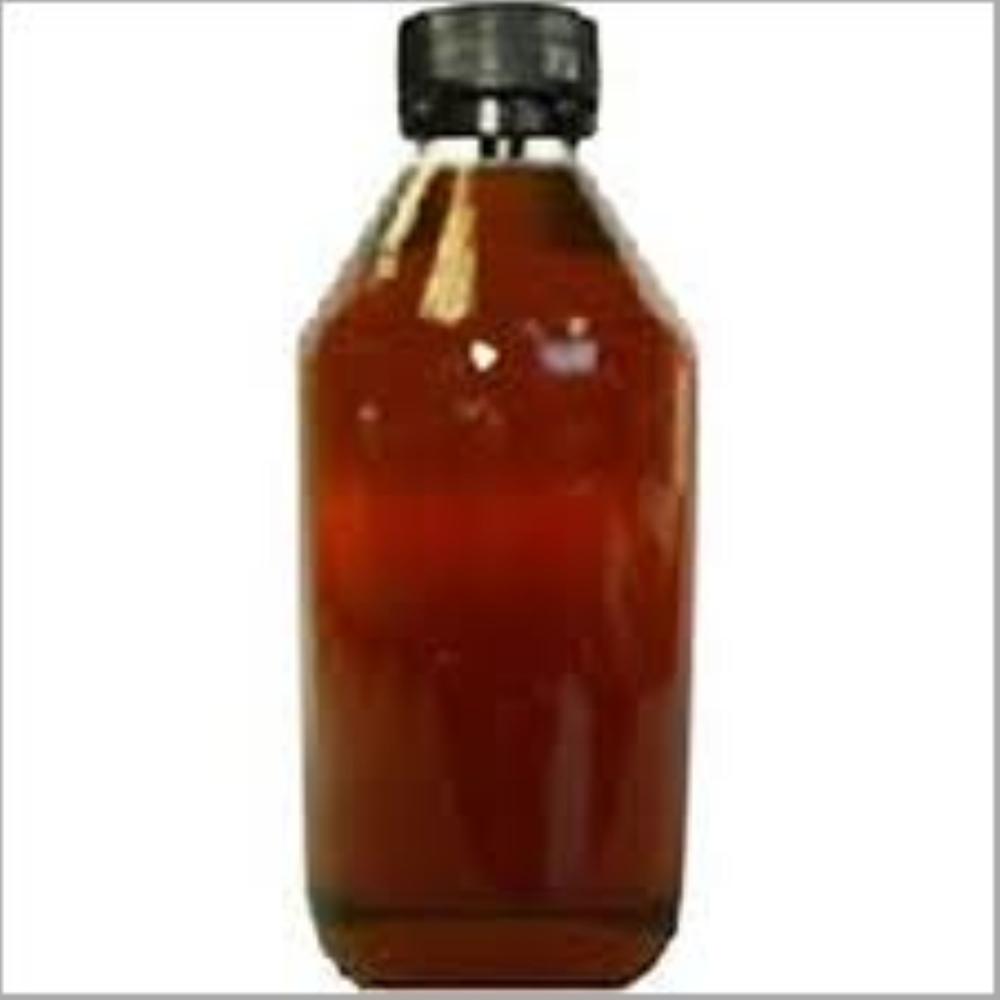
Dark Brown to Yellowish Liquid |
| Odor |
Mild Characteristic Odor |
| Glycerol Content |
30% 50% |
| Moisture Content |
30% 60% |
| Ash Content |
Up to 15% |
| Methanol Content |
As per industrial grade standards |
| pH Value |
5 8 |
| Solubility |
Soluble in Water |
| Density |
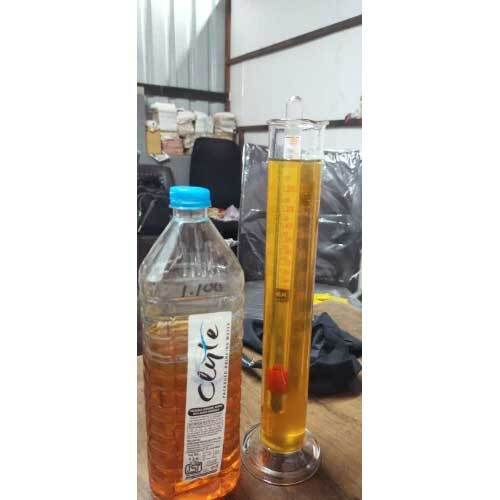
Approx. 1.10 1.25 g/cm |
| Packaging |
Drum, IBC Tank, Tanker Load |
| Shelf Life |
12 Months Under Proper Storage |
Functions of Crude Glycerine Below 50% Purity
1. Humectant Function
Helps retain moisture in industrial formulations and prevents excessive drying.
2. Carbon Source
Acts as an economical carbon and energy source in fermentation and biogas production.
3. Binding Agent
Improves cohesion and particle binding in feed and industrial formulations.
4. Lubricating Property
Provides lubrication in industrial processing and machinery-related applications.
5. Energy Supplement
Used as a supplementary energy ingredient in selected animal feed and industrial fuel applications.
6. Chemical Intermediate
Used as a raw material in the production of chemicals, resins, and industrial compounds.
Applications
Agriculture Industry
- Used in bio-fertilizer production
- Soil conditioning applications
- Organic nutrient formulations
- Composting and microbial fermentation support
Animal Feed Industry
- Energy source in livestock feed
- Feed pellet binder
- Improves feed texture and palatability
Biogas and Fermentation Plants
- Enhances methane production
- Supports microbial growth
- Economical carbon substrate
Chemical Industry
- Intermediate for industrial chemical formulations
- Resin and polymer processing
- Alkyd resin manufacturing
Textile Industry
- Used in textile processing formulations
- Lubrication and softening support
Construction Chemical Industry
- Used in grinding aids
- Additive for concrete and cement formulations
- Moisture retention support
Fuel and Energy Sector
- Industrial boiler fuel blending
- Alternative energy source
- Waste-to-energy applications
Soap and Detergent Industry
- Reprocessing and secondary formulations
- Industrial cleaning products
Benefits
Cost Effective
Provides economical performance for industrial applications where refined glycerine is unnecessary.
Multi-Purpose Usage
Suitable for multiple industrial sectors including agriculture, chemicals, energy, and manufacturing.
Sustainable and Eco-Friendly
Produced as a by-product of biodiesel and oleochemical processing, supporting waste utilization and sustainability.
Excellent Moisture Retention
Improves moisture stability in formulations and industrial processing.
Improves Fermentation Efficiency
Supports microbial activity and increases fermentation productivity.
Easy Handling and Storage
Can be stored and transported in bulk packaging systems.
Industrial Processing Support
Enhances lubrication, binding, and formulation stability.





 Send Inquiry

 Send Inquiry