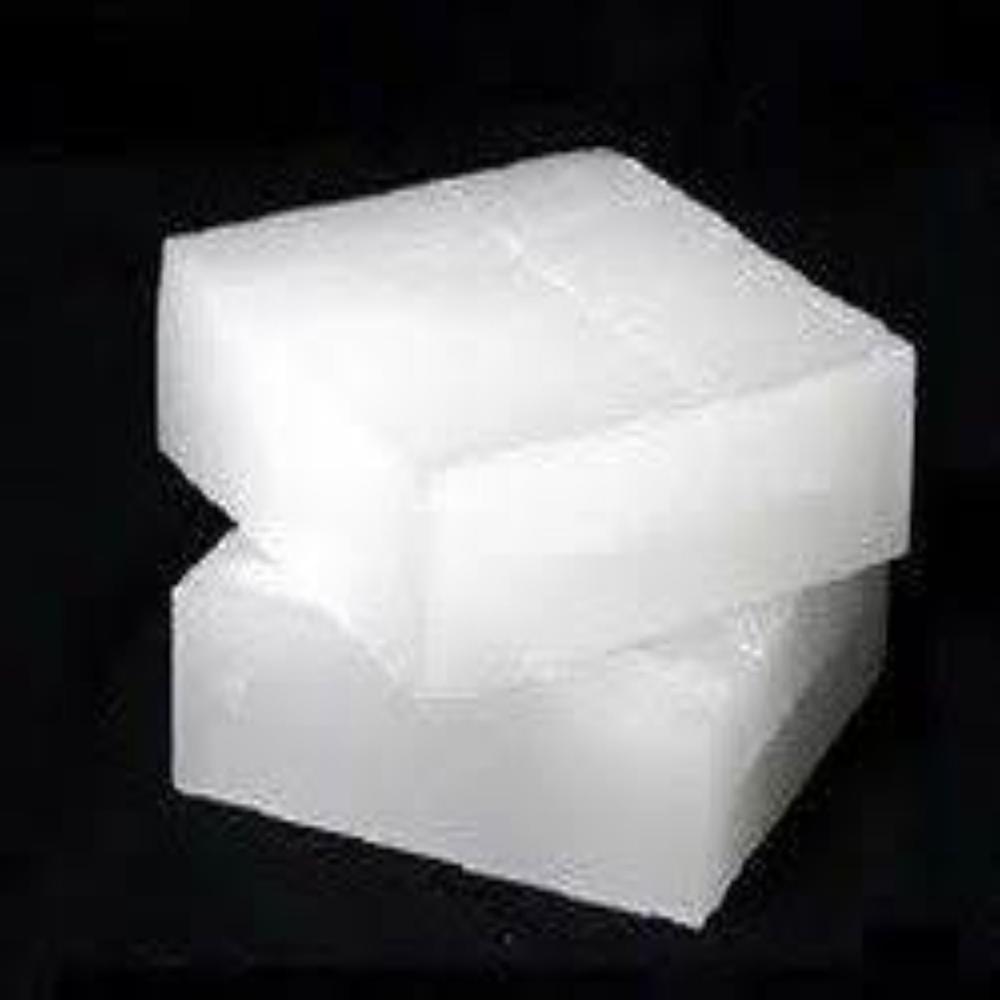
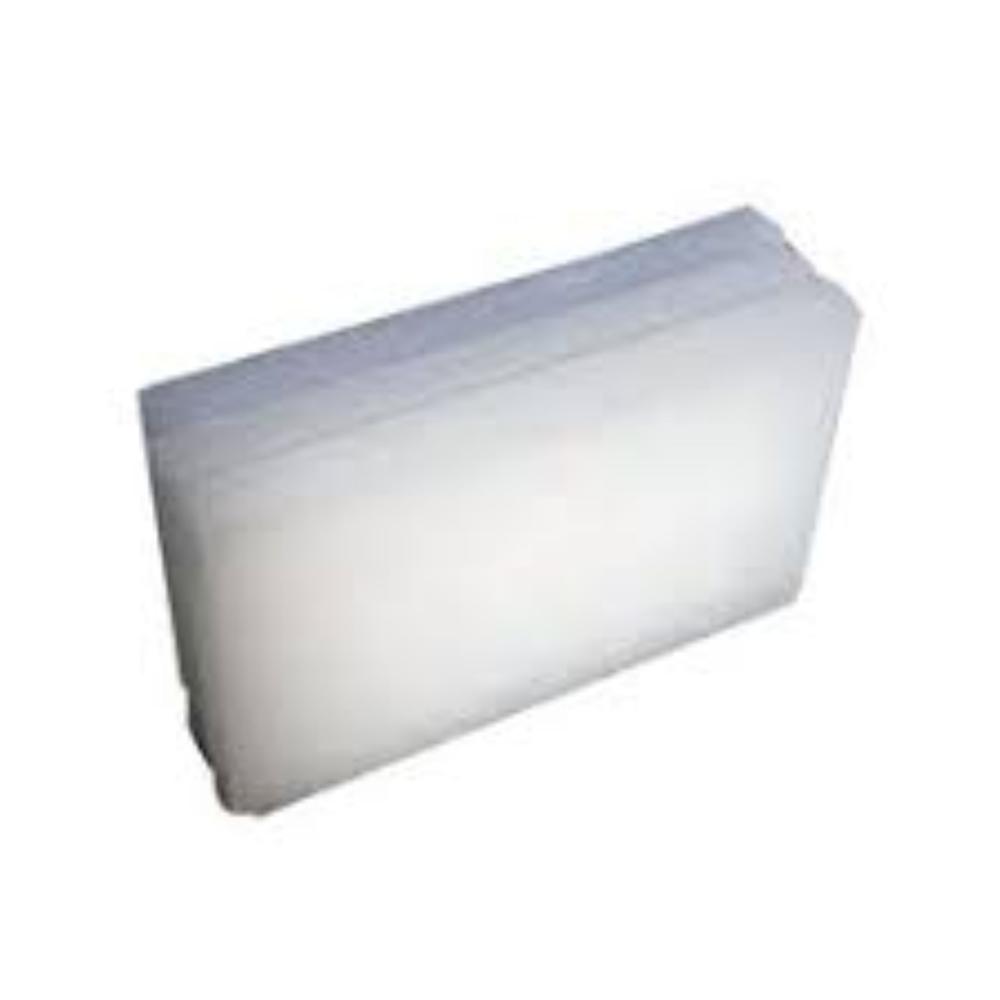
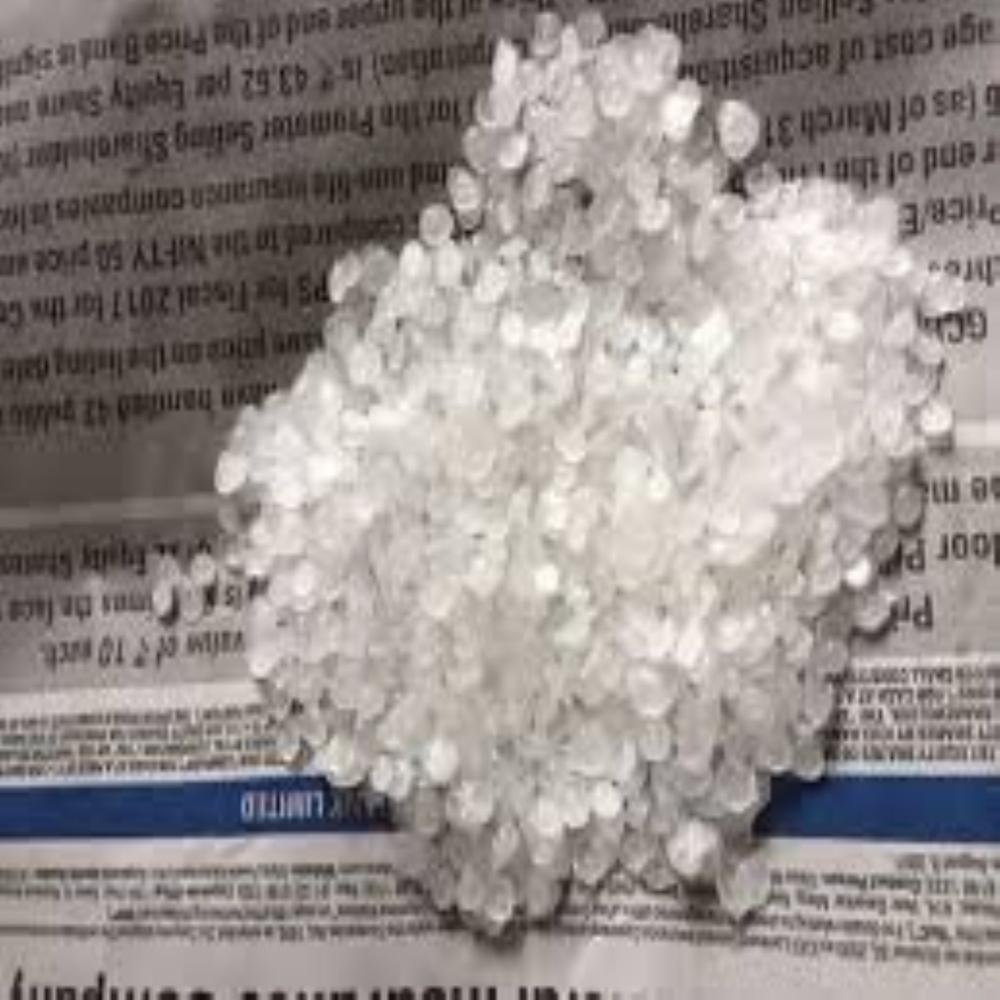
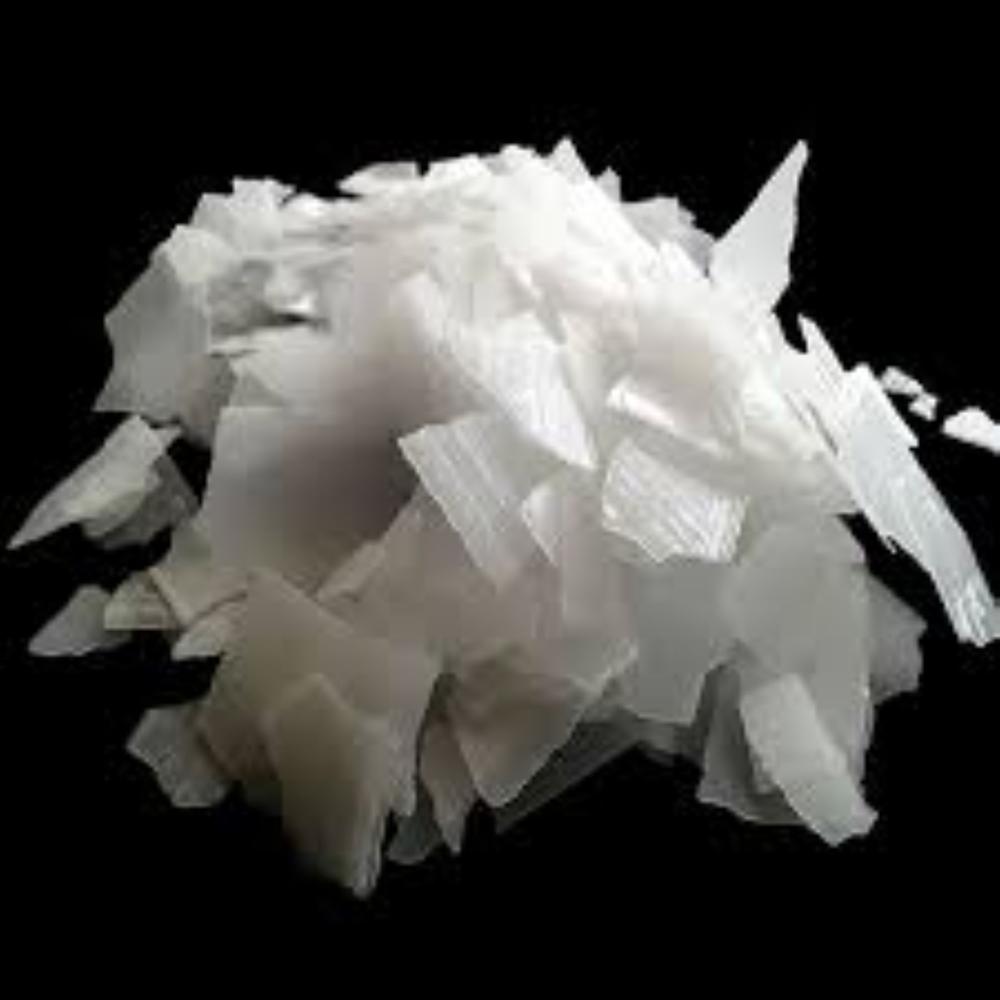
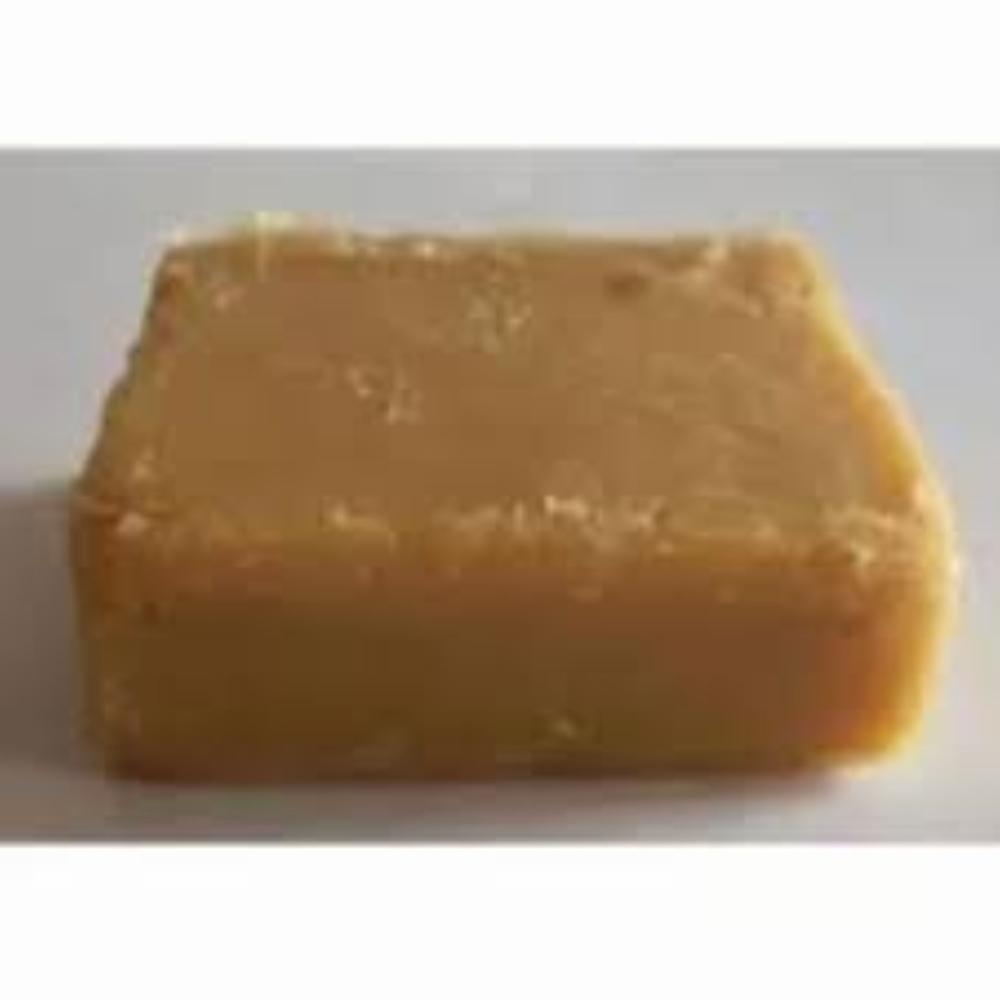
China Wax, commonly known as Polyethylene Wax (PE Wax), is a low molecular weight synthetic wax produced through polyethylene polymerization or thermal cracking processes. It is widely used in plastics, rubber, PVC processing, masterbatch, inks, coatings, adhesives, and lubricant industries because of its excellent lubrication, dispersion, thermal stability, and surface enhancement properties. PE Wax is available in powder, flakes, granules, and pastilles forms and provides superior processing efficiency with improved surface finish and gloss.
Key Specifications
| Property |
Typical Value |
| Chemical Name |
Polyethylene Wax |
| Appearance |
White Powder / Flakes / Granules |
| Molecular Type |
Low Molecular Weight Polyethylene |
| Melting Point |
95C 120C |
| Viscosity @140C |
8 35 CPS |
| Density @25C |
0.92 0.96 g/cm |
| Acid Value |
Nil / Low |
| Penetration |
Low |
| Thermal Stability |
Excellent |
| Lubrication |
Internal & External |
| Solubility |
Soluble in hydrocarbon systems |
| Packaging |
25 Kg Bag |
Typical PE wax grades provide low viscosity, high hardness, excellent thermal stability, and superior dispersion properties.
Applications
Plastic & PVC Industry
- PVC pipes and fittings
- PVC profiles and sheets
- Injection molding
- Extrusion processing
- Cable compounds
- Engineering plastics
Masterbatch & Compounding
- Color masterbatch
- Filler masterbatch
- Pigment dispersion
- Carbon black dispersion
Paints, Inks & Coatings
- Printing inks
- Powder coatings
- Industrial paints
- Surface polish applications
Rubber & Adhesives
- Hot melt adhesives
- Rubber processing
- Lubricating additives
Wax Products
- Candles
- Floor wax
- Car polish
- Shoe polish
Lubricant Industry
- Viscosity modifier additive
- Friction reduction additive
- Flow improvement agent
PE Wax is extensively used as a processing aid and lubricant in polymer industries due to its excellent compatibility and flow-enhancing properties.
Functions
1. Lubrication
Reduces friction during plastic processing and improves machine output.
2. Dispersion
Provides uniform pigment and filler distribution in masterbatch formulations.
3. Surface Enhancement
Improves gloss, smoothness, and scratch resistance of finished products.
4. Processing Aid
Enhances melt flow and reduces processing torque.
5. Demoulding Effect
Prevents sticking during molding and extrusion operations.
6. Thermal Stability
Maintains stability at elevated processing temperatures.
7. Viscosity Control
Acts as a viscosity improver and flow modifier in lubricants and coatings.
Benefits
- Excellent internal and external lubrication
- Improves production efficiency
- Better surface finish and gloss
- Reduces energy consumption during processing
- Improves pigment dispersion
- Enhances scratch and abrasion resistance
- High thermal and chemical stability
- Non-toxic and environmentally stable
- Improves extrusion capacity
- Reduces sticking and die build-up
- Enhances toughness and flexibility of plastic products
- Increases product consistency and quality




 Send Inquiry

 Send Inquiry